Best Kitchen Shears for Meal Prep Under $20 in 2026: Top Picks for Every Budget
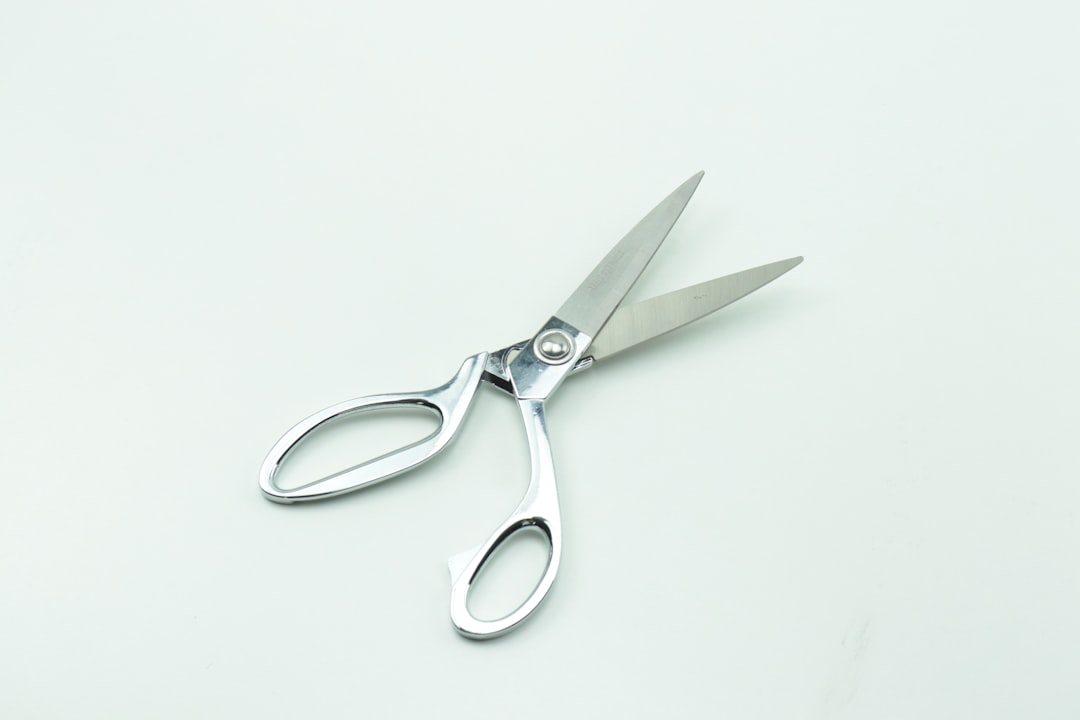 Photo by Divazus Fabric Store on Unsplash
Grab your knife and try cutting through a rotisserie chicken. Now grab a decent pair of kitchen shears and do the same thing. There’s no comparison. Shears do the job in half the time with none of the wrestling match.
Most people own a junky pair of shears that lives in a drawer, gets used twice a year to open packaging, and never touches actual food. That’s a mistake. The best kitchen shears for meal prep under $20 can replace half your knife work and save you serious time every single week.
This guide covers what actually matters when shopping in this price range, plus specific picks that won’t fall apart after a month of real use.
Why Kitchen Shears Are Essential for Meal Prep
Knives are great. They’re also overkill for a lot of what happens in a kitchen during meal prep.
Shears cut through raw chicken breast, snip herbs directly into a pot, break down a whole chicken, trim fat off pork chops, and open stubborn packaging, all without dirtying a cutting board. That’s the real benefit: less setup, less cleanup, faster results.
Efficiency is the whole point. A knife needs a stable cutting surface and a controlled grip. Shears let you cut in midair, over a bowl, straight from the package into the pan. When you’re meal prepping five days of chicken thighs, that difference adds up to real minutes saved.
Versatility is the second reason to care. One pair of shears handles herbs, poultry, pizza, kitchen twine, and plastic packaging. You’re not swapping tools mid-task.
Safety matters too. Shears distribute pressure differently than a blade. There’s less risk of slipping and nicking a finger, especially with slick or oddly shaped ingredients like raw chicken or fish. The ergonomics of a spring-loaded handle also mean less strain on your wrist compared to repetitive knife chopping.
If you’re already comparing tools for your prep station, it’s worth pairing shears with a solid board. Check out this rundown on the best cutting board under $50 if yours is warped, stained, or just too small for the job.
What to Look for in Quality Kitchen Shears Under $20
Not all cheap shears are created equal. Some hold an edge for years. Others go dull after cutting through a single pack of chicken breasts. Here’s what separates the two.
Blade material and sharpness durability. Stainless steel is the standard for a reason. It resists rust, holds an edge reasonably well, and doesn’t react with acidic foods like tomatoes or citrus. High-carbon stainless steel is even better if you can find it in this price range, since it holds sharpness longer under repeated use.
Handle comfort and grip design. Soft-touch or textured handles matter more than people expect. If your hands get tired or slip after ten minutes of cutting, the shears aren’t doing their job. Look for ergonomic finger loops, ideally asymmetric ones that fit natural hand positioning.
Weight and balance. Heavier isn’t always better. You want shears that feel solid but not clunky. A well-balanced pair lets the blade do the work instead of your wrist muscling through resistance.
Ease of cleaning. Dishwasher-safe shears save time, but even if they’re not, look for pairs that come apart at the pivot point. This lets you clean under the hinge where raw meat residue likes to hide.
Warranty and support. A lot of budget shear brands still offer lifetime warranties or easy replacements. It sounds surprising at this price point, but it’s common enough that it’s worth checking before you buy.
Best All-Purpose Kitchen Shears Under $20
If you only buy one pair, get an all-purpose set. These are built to handle 90% of what happens in a home kitchen: herbs, poultry, packaging, twine, even the occasional pizza slice in a pinch.
The all-purpose stainless steel kitchen shears are the standout pick in this category. They’re built with a full-tang stainless blade, a comfortable non-slip handle, and enough heft to cut through poultry bones without bending. Reviewers consistently mention how well they hold an edge, even after months of near-daily use on raw meat and produce.
What makes these genuinely count as the best kitchen shears for meal prep under $20 is the balance. They’re not too heavy for detail work like trimming herbs, but they’ve got enough weight and leverage to handle poultry and thick-skinned vegetables like squash. That range is rare at this price.
Look for shears with a built-in bottle opener or nutcracker notch near the pivot. It’s a small feature, but it means one tool replaces three drawer gadgets. Also check that the blades are slightly serrated near the tip. That texture grips slippery foods like chicken skin instead of letting them slide out from between the blades.
Specialized Shears for Different Meal Prep Tasks
All-purpose shears are great, but certain tasks benefit from a dedicated tool. If you meal prep often, a couple of specialized pairs can genuinely upgrade your workflow.
Herb and vegetable cutting. If you cook with fresh herbs regularly, multi-blade herb scissors are a game changer. The herb scissors with multiple blades let you snip a handful of basil, cilantro, or chives directly into a dish in seconds, evenly chopped, no cutting board required. Most come with a cleaning comb to clear stuck herb bits from between the blades, which sounds minor but saves real annoyance.
Poultry and meat cutting. Breaking down a whole chicken with a chef’s knife is doable, but it’s messy and takes practice. The poultry and meat kitchen shears are built with thicker, stronger blades specifically designed to cut through joints and small bones without dulling fast. If you buy whole chickens to save money, this pair pays for itself within a few uses.
Fish and seafood. While less common, fish shears with fine, thin blades make cleaning and trimming fillets far easier than wrestling with a knife on a slippery cutting board. If you cook seafood often, it’s worth adding to the rotation, especially paired with a nonstick pan for the actual cooking. Speaking of which, if your current pan is scratched to bits, this list of the best nonstick pan under $50 is worth a look.
Multipurpose utility shears. For the person who wants one tool that does a bit of everything, including opening packaging, cutting kitchen twine, and trimming fat, the multipurpose kitchen scissors with micro-serration are worth a look. The micro-serrated edge grips food and material better than a smooth blade, reducing slippage during cuts.
Budget-Friendly Options That Don’t Compromise Quality
Here’s the thing about the sub-$20 shear market: you can absolutely get quality without paying more. The key is knowing which features matter and which are just marketing.
At the lower end of this price range, around $10 to $14, you’ll typically find basic stainless steel construction, simple plastic or rubberized handles, and decent but not exceptional sharpness. These are fine for light use: herbs, packaging, the occasional chicken breast.
In the $15 to $20 range, you start seeing better details. Full-tang construction, which means the blade extends fully into the handle for better strength and balance. Textured, ergonomic grips designed for extended use. Serrated tips for grip on slippery foods. Some brands even include a sharpener built into the case, so you never lose the tool that keeps the blades useful.
For a true budget upgrade, consider Japanese-style shears. The Japanese-style kitchen shears are known for sharper initial edges and thinner, more precise blades compared to typical Western designs. They’re often lighter too, which some cooks prefer for detail tasks like herb trimming or fish prep.
If you tend to cook a lot of sticky or starchy foods, like dough or dense root vegetables, nonstick-coated kitchen shears are worth the extra couple bucks. The nonstick coating keeps food from clumping on the blade, which matters more than people expect when you’re cutting something like sticky dried fruit or raw dough for homemade dumplings.
Brand reliability matters more than flashy marketing here. Companies that have been making kitchen shears for years, even at the budget tier, tend to have more consistent quality control than newer no-name brands flooding the market with lookalike products. Check reviews specifically for mentions of blade dulling after a few weeks. That’s the most common complaint with truly low-quality shears, and it’s a red flag worth taking seriously.
How to Care for Your Kitchen Shears to Extend Their Life
Even the best kitchen shears for meal prep under $20 won’t last if you treat them badly. Good news: proper care takes almost no extra effort.
Cleaning. Wash shears immediately after cutting raw meat or poultry. Don’t let them sit in the sink. Bacteria from raw protein can linger in the pivot joint, and food residue left too long can start to corrode the blade edge, especially with acidic foods like citrus or tomatoes. If they’re dishwasher-safe, great, but hand washing and drying immediately still extends blade life more than a dishwasher cycle will.
Storage and rust prevention. Store shears dry, always. Even stainless steel can develop surface rust if left wet in a closed drawer. A knife block slot, a magnetic strip, or a dedicated shears sheath all work better than tossing them loose into a drawer where the blades knock against other metal utensils and dull faster.
Sharpening and maintenance. Most kitchen shears can be sharpened with a simple handheld sharpener or a sharpening stone, running each blade edge separately since most shears don’t sharpen the same way a straight knife does. Some brands include a built-in sharpening slot near the handle. Use it every few months if you’re cutting meat and produce regularly.
When to replace versus repair. If the pivot screw is loose, that’s usually fixable with a small screwdriver, no replacement necessary. But if the blade edge is chipped, bent, or won’t hold an edge even after sharpening, it’s time to retire the pair. At under $20, replacing a worn-out pair is a minor expense compared to struggling through months of dull, frustrating cuts.
FAQ About Kitchen Shears for Meal Prep
What’s the difference between kitchen shears and regular scissors?
Kitchen shears are built with thicker, sturdier blades designed to handle food, bone, and packaging. They’re usually made from stainless steel or high-carbon steel, dishwasher-safe in many cases, and often come apart at the pivot for deep cleaning. Regular scissors are thinner, meant for paper, and will dull fast or bend if you try cutting through something like chicken bone.
Can kitchen shears under $20 handle frozen foods?
Light frozen foods, like frozen herbs or thin cuts of frozen fish, are usually fine. But thick frozen meat or bone-in poultry can chip cheaper blades or bend the pivot. If you regularly cut frozen food, look for shears specifically marketed for poultry or meat, since they’re built with thicker, more resistant blades.
How often should I sharpen my kitchen shears?
For average home use, every three to six months is a reasonable rhythm. If you’re using them daily for meat prep, check the edge monthly. A quick test: if they start crushing herbs instead of cutting them cleanly, it’s time.
Are left-handed kitchen shears worth the investment?
Yes, if you’re left-handed and tired of fighting standard shears. Regular shears are built with right-hand dominant blade orientation, which makes left-handed cutting less precise and more tiring over time. The left-handed kitchen shears are designed with reversed blade alignment specifically for comfortable, accurate left-hand cutting. It’s a small adjustment that makes a noticeable difference in daily use.
What material makes the best kitchen shear blades?
Stainless steel is the standard and for good reason: it resists rust, handles acidic foods without reacting, and holds a reasonable edge. High-carbon stainless steel takes it a step further, holding sharpness longer under heavy use, though it requires slightly more attention to drying and storage to avoid rust spots. For most home cooks doing regular meal prep, standard stainless steel in the under $20 range is more than sufficient.
Once you’ve got a solid pair of shears in rotation, the rest of your prep station starts to matter more too. A dull cutting board or a cramped dish rack can slow you down just as much as bad shears. If your kitchen setup needs a refresh, check out this guide to the best dish rack for a small kitchen for a space-saving option that actually keeps up with regular meal prep.