Best Cutting Board Under $50 in 2026: Top Picks for Every Kitchen
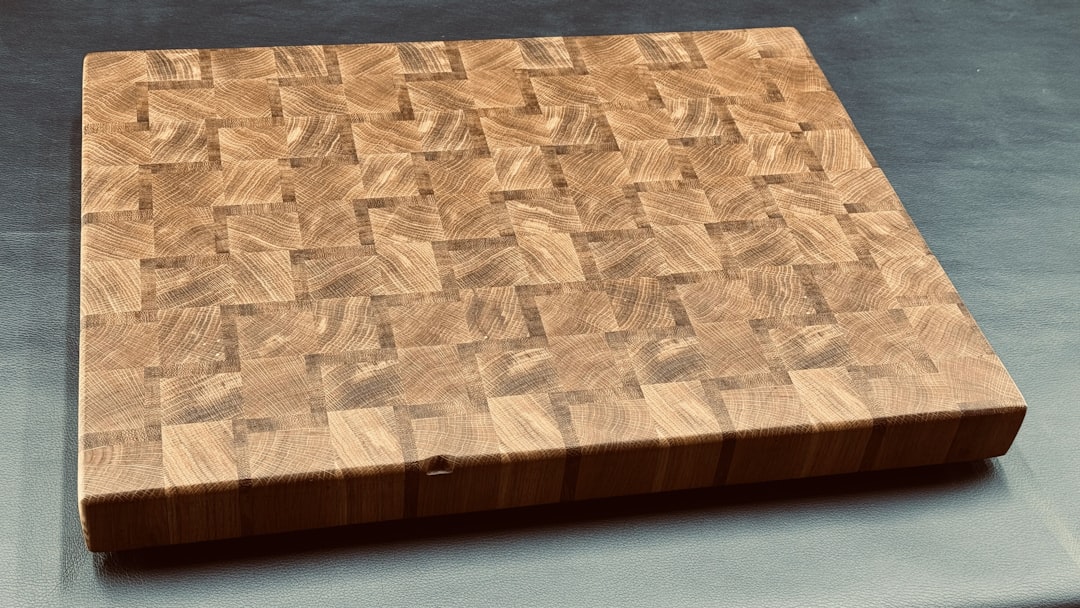 Photo by Pawel Wertel on Unsplash
A good cutting board is the most-used surface in your kitchen. You hit it dozens of times every single day. Get the wrong one and you’ll deal with slipping, knife damage, bacteria traps, and boards that warp after a month. Get the right one and meal prep becomes faster, safer, and honestly more enjoyable.
The good news: you don’t need to spend a lot. The best cutting board under $50 can last years with the right care, and the options available right now are genuinely impressive for the price.
Why a Quality Cutting Board Matters
Meal Prep Efficiency
A stable, spacious cutting board changes how you cook. When your board doesn’t slide around and gives you enough real estate to work, you move faster. You’re not chasing vegetables across a tiny surface or stopping to reposition a wobbly board. A quality board becomes invisible during prep, which is exactly what you want.
Think about how much time you spend chopping, slicing, and dicing every week. Even a small improvement in your setup adds up fast.
Protecting Your Knives
Your cutting board and your knives have a relationship. A hard board wrecks knife edges. Glass and ceramic boards look sleek but destroy blade sharpness in a hurry. Even some bamboo boards, which are technically a grass and not wood, can be harder on blades than a softer hardwood like walnut or maple.
The right board keeps your edge intact longer between sharpenings. If you’ve invested in a decent blade (check out our picks for the best chef knife under $50 if you’re building your kitchen from scratch), protecting it with the right cutting surface is just smart.
Hygiene and Food Safety
Bacteria love cracks and grooves. A board that’s warped, deeply scarred, or made of a porous material that never dries properly is a hygiene issue waiting to happen. Cross-contamination between raw meat and produce is a real risk if you’re using one beat-up board for everything.
The solution is simple: use boards that are easy to clean, dry quickly, and replace them when they show serious damage. Some plastic boards have antimicrobial properties built in. Some wooden boards have naturally occurring antibacterial qualities. Both approaches work when you maintain them properly.
Types of Cutting Boards to Consider
Bamboo Cutting Boards
Bamboo boards are lightweight, eco-friendly, and naturally resistant to absorbing liquids. They’re harder than most wood boards, which means they hold up to heavy use. The trade-off is they can be slightly tougher on knife edges than softer wood. Still, for the price and durability, they’re one of the most popular options.
Plastic Cutting Boards
Plastic boards are the go-to for raw meat because they’re dishwasher safe and easy to sanitize. They’re lightweight, often color-coded for different food categories, and very affordable. The downside: they develop deep knife grooves over time that can harbor bacteria, so they need replacing more often than wood.
Wood Cutting Boards
Traditional hardwood boards, think maple, walnut, and teak, are durable, gentle on knives, and look great on a counter. They require more maintenance than plastic (hand washing, regular oiling) but they last longer when cared for. Many home cooks treat them as a one-time investment that serves them for years.
Composite and Rubber Cutting Boards
Composite boards are made from compressed wood fibers or recycled materials. They’re often reversible, dishwasher safe, and extremely stable. Rubber boards are used heavily in professional kitchens because they don’t slip, don’t warp, and are gentle on blades. Both types are excellent choices for serious home cooks.
Top Cutting Boards Under $50 in 2026
Here’s where to actually spend your money. Each of these categories covers a specific need, and there are solid options at every price point within the $50 ceiling.
Large Wooden Cutting Boards with Juice Grooves
If you roast chicken, carve meats, or just deal with a lot of juicy produce, juice grooves are a game-changer. They catch runoff before it hits your counter. Look for boards that run the groove along all four sides rather than just two.
These large wood boards with grooves typically run between $30 and $45, giving you a substantial surface area and a dedicated carving channel without pushing past budget.
Antimicrobial Plastic Cutting Boards
For raw meat and poultry, these are worth considering. Antimicrobial plastic boards are treated to inhibit bacterial growth between uses, which adds a meaningful layer of food safety. They’re also usually dishwasher safe, which makes cleaning genuinely effortless.
Look for boards that are at least half an inch thick. Thin plastic warps in the dishwasher and becomes unstable on the counter.
Reversible Two-Sided Cutting Boards
Smart design. One side for produce, one side for meat. Some reversible boards also offer different surface textures on each side, like a smooth side for slicing and a textured or grooved side for carving.
Reversible cutting boards maximize the value of a single purchase and help you maintain food safety protocols without buying multiple boards.
Bamboo Boards with Built-In Handles
Great for serving and transferring food from counter to table. A built-in handle makes carrying a loaded board much easier, especially when you’re moving from prep space to stovetop. Bamboo boards with handles also tend to have a more refined look that works as a serving board for cheese, bread, or charcuterie.
Extra-Thick Composite Cutting Boards
Thickness equals stability. A composite board that’s an inch or more thick doesn’t flex, doesn’t slide, and doesn’t feel flimsy under heavy chopping. Extra-thick composite boards are often the closest thing you’ll find to a professional kitchen board at a home-cook price point. Many are also dishwasher safe, which puts them ahead of wood for convenience.
Non-Slip Rubber Base Cutting Boards
A sliding cutting board is a safety hazard. Non-slip rubber base boards solve this completely. The rubber feet or full rubber base keep the board locked to your counter while you work. If you tend to do a lot of fast chopping or work with a heavy chef’s knife, this feature is worth prioritizing.
Key Features to Look For
Size and Thickness
Bigger is almost always better for a primary cutting board. Aim for at least 12 by 18 inches for a main board. Anything smaller and you’re constantly knocking food onto the counter. Thickness matters for stability: at least three-quarters of an inch for wood, at least half an inch for plastic.
Non-Slip Base and Grip Handles
Even a beautiful heavy wood board will slide on a wet counter. Look for rubber feet, a rubberized base, or non-slip silicone corners. If a board doesn’t have them built in, you can use a damp kitchen towel underneath, but built-in grip is always more reliable.
Juice Grooves and Food Safety Design
Juice grooves aren’t just about keeping your counter clean. They’re a design feature that acknowledges how real cooking actually goes. Look for deep grooves, not just decorative etchings, that actually contain liquids.
Ease of Cleaning and Maintenance
Plastic and composite boards are generally the easiest to clean. Many go straight in the dishwasher. Wood boards need hand washing and occasional oiling. Neither approach is wrong, just know what you’re signing up for before you buy.
Durability and Longevity
A $20 board that lasts two years is a better value than a $15 board that warps in six months. Read reviews with an eye toward how boards hold up over time, not just out of the box. Warping, splitting, and deep grooves are the things that kill boards early.
Best Value Cutting Boards for Budget-Conscious Cooks
Finding the best cutting board under $50 isn’t just about the lowest price. It’s about getting the most performance per dollar spent.
Affordable Options That Don’t Sacrifice Quality
Bamboo boards hit the sweet spot here. You can find a solid, large bamboo board with juice grooves and a built-in handle for under $30 in many cases. That leaves room in your budget for other kitchen upgrades. Speaking of which, if you’re outfitting a kitchen on a budget, our roundup of budget kitchen gadgets under $50 has a lot of good picks to pair with a new board.
Multi-Purpose Designs
Reversible boards. Boards with built-in knife sharpeners on the side. Boards that double as serving platters. These multi-purpose designs stretch your dollar further by replacing what would otherwise be two or three separate purchases.
Cutting Boards with Knife Storage
Some boards come with integrated knife storage slots or a small block built into the design. Bamboo boards with knife slots keep your prep area organized and give you a compact all-in-one solution. Great for smaller kitchens where counter space is tight.
Bundled Sets
Some brands sell cutting board sets that include multiple sizes at a combined price under $50. A large board for main prep, a medium for quick tasks, and a small for garlic and herbs. Sets like these offer flexibility and help you manage cross-contamination by dedicating specific boards to specific tasks.
If kitchen organization is a priority for you, our guide to kitchen organization tools under $50 covers storage solutions that pair well with a good board setup.
How to Care for Your Cutting Board
Proper Cleaning Methods
Plastic and composite boards: dishwasher is fine for most, but check the label. Hot water and dish soap work for hand washing. For sanitizing after raw meat, a diluted bleach solution (one tablespoon bleach per gallon of water) is effective and safe.
Wood and bamboo boards: hand wash only. Hot water and dish soap are fine. Never soak them. Never put them in the dishwasher. Dry them upright or on their edge so air can circulate on both sides.
Seasoning and Conditioning Wood Boards
New wood boards need conditioning before first use. Apply food-grade mineral oil liberally to all surfaces, let it soak in overnight, then wipe off the excess. Repeat this monthly or whenever the wood looks dry. Some people use beeswax-based board cream for extra protection. This simple routine prevents cracking and warping and keeps your board looking good for years.
Preventing Warping
Warping happens when one side of a board dries faster than the other. Always oil both sides of a wood board. Always dry wood boards on their edge, not flat. Avoid leaving boards near heat sources like stovetops or in direct sunlight. These habits add years to the life of a board.
Storage Tips
Store boards upright in a slot or rack rather than flat in a drawer. Flat storage traps moisture and promotes warping and mold. Several of the knife and board organization solutions mentioned in our kitchen organization guide include vertical board storage options that work perfectly here.
FAQ About Cutting Boards Under $50
What size cutting board should I buy for my kitchen?
For a primary cutting board, go with at least 12 by 18 inches. If you have the counter space, 15 by 20 or larger is even better. Small boards are convenient for quick tasks but shouldn’t be your main prep surface. If you’re working in a compact kitchen, a large board that fits over your sink can effectively double your workspace.
Are wooden or plastic cutting boards better for food safety?
Both can be safe when properly maintained. The USDA recommends plastic for raw meat because it’s dishwasher safe and easy to sanitize. However, research has shown that hardwood boards have natural antibacterial properties and that bacteria tend to die off in wood rather than multiply the way they can in the grooves of a plastic board. The most practical answer: use plastic (or a dedicated board) for raw meat and wood for everything else.
How often should I replace my cutting board?
Plastic boards should be replaced when they develop deep knife grooves that can’t be scrubbed clean, typically every one to three years depending on use. Wood boards can last a decade or more with proper care. Replace any board that’s cracked, deeply scarred, warped, or has developed an odor that won’t wash out.
Can I put a cutting board under $50 in the dishwasher?
Depends entirely on the material. Most plastic and composite boards: yes. Wood and bamboo boards: never. Check the manufacturer’s instructions, but as a general rule, if it’s natural wood or bamboo, keep it out of the dishwasher. The heat and prolonged moisture will warp and crack even a high-quality board.
What’s the difference between bamboo and traditional wood cutting boards?
Bamboo is technically a grass, not a wood, but it’s processed into dense boards that look and function similarly to hardwood. Bamboo is generally harder than most wood cutting boards, which makes it more durable but slightly tougher on knife edges. It’s also more sustainable because bamboo grows much faster than hardwood trees. Traditional wood boards, especially maple and walnut, tend to be gentler on knife edges and have a warmer, more classic aesthetic. Both are excellent choices at under $50.
The right cutting board doesn’t need to be expensive. It needs to fit your cooking style, your kitchen size, and how you actually use it day to day. Whether you go for a large wood board with juice grooves, a set of antimicrobial plastic boards, or a bamboo option that doubles as a serving board, the best cutting board under $50 is one you’ll actually reach for every time you cook.