Best Chef Knife Under $50 in 2026: Top Budget-Friendly Options for Home Cooks
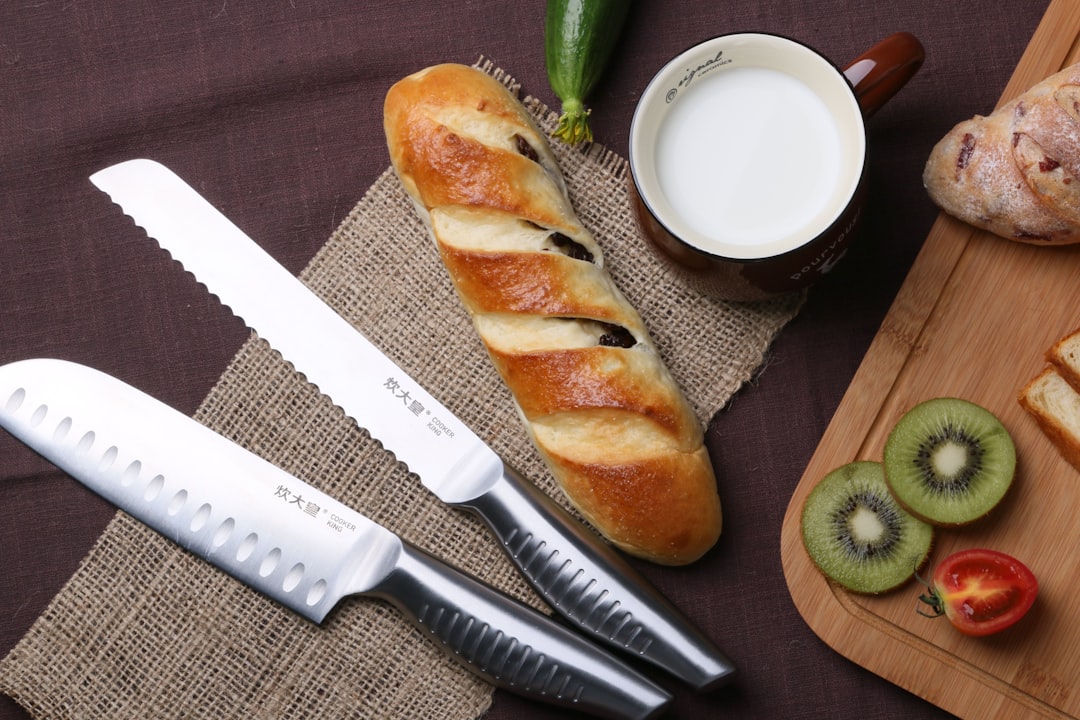 Photo by Cooker King on Unsplash
A sharp chef knife changes everything about cooking. Your prep gets faster. Food looks better. Your hands get less tired. And you actually enjoy being in the kitchen instead of fighting with dull, cheap blades that slip and crush instead of cut.
The good news: you don’t need to spend $150 to get a great knife. The best chef knife under $50 in 2026 can absolutely handle everything from breaking down a whole chicken to brunoise-cutting carrots for soup. Budget knives have gotten genuinely good, and this guide tells you exactly which ones are worth your money.
Why a Quality Chef Knife Under $50 Matters
The chef knife is the one tool you use every single time you cook. Not just sometimes. Every time. It handles 80% or more of your cutting tasks, which makes it the highest-value investment in your kitchen, dollar for dollar.
For years, the budget knife market was a race to the bottom. Thin steel, wobbly handles, edges that dulled after three onions. That’s mostly changed now. Manufacturing improvements, better steel sourcing, and increased competition have pushed quality way up at the sub-$50 price point.
What can you realistically expect here? A solid chef knife under $50 will hold an edge for regular home cooking. It will feel comfortable in your hand for 20 to 30 minutes of prep. It will take a resharpening well. And it won’t flex or warp with normal use.
What you won’t get: the same edge retention as a $200 Wüsthof Classic. Or the hand-forged precision of a Japanese blade costing three digits. The steel hardness (measured in Rockwell, or HRC) on budget knives typically runs 52 to 56 HRC. Premium knives go up to 60 to 65 HRC. Harder steel holds an edge longer but can also be more brittle and harder to sharpen at home.
The misconception worth busting: many home cooks think a $30 knife is automatically junk. It’s not. A $30 to $50 knife that’s properly maintained will outperform a neglected $200 knife every single time. Technique and upkeep matter more than price tag at this level.
Key Features to Look For in a Budget Chef Knife
Blade Material and Steel Type
Most budget knives use stainless steel or high-carbon stainless steel. Regular stainless resists rust easily but doesn’t sharpen as keenly. High-carbon stainless gives you a sharper edge and better performance while still fighting off rust. Look for blades labeled 1.4116 German steel or X50CrMoV15, both common in quality budget knives.
Pure carbon steel sharpens to a scary-sharp edge but rusts if you look at it wrong. Not ideal for beginners or busy kitchens. Stick with high-carbon stainless at this price point.
Blade Length and Weight Distribution
An 8-inch blade is the sweet spot for most home cooks. Long enough for big cuts, manageable for detailed work. A 6-inch works if you have smaller hands or a cramped workspace.
Weight distribution matters more than total weight. The knife should feel balanced at or near the bolster (where blade meets handle). If it’s too blade-heavy, your wrist fatigues fast. If it’s too handle-heavy, you lose control on fine cuts.
Handle Comfort and Durability
Handles come in polymer (plastic), pakkawood, and sometimes stainless steel. Polymer handles are hygienic and durable. Pakkawood looks nicer and feels warmer. Full metal handles are sleek but get slippery when wet.
Check the rivets on full-tang handles. Loose rivets are a sign of poor construction. The handle should feel solid with no movement.
Edge Retention and Ease of Sharpening
Lower HRC steel dulls faster but sharpens more easily at home. This is actually a feature, not a bug, for budget knives. You can keep them sharp with a basic whetstone or honing rod. A softer steel that you sharpen weekly will cook better than hard steel you never touch.
Full Tang Construction
A full-tang knife extends the blade steel all the way through the handle. This gives you better balance, more durability, and a safer knife overall. Always look for full-tang on a chef knife, even at budget prices. A full-tang affordable chef knife is worth searching for specifically because it signals real build quality.
Top Chef Knives Under $50 for 2026
1. German-Style Stainless Steel Chef Knife
The workhorse pick. German-style blades have a more curved belly that rocks smoothly on a cutting board. The steel is tough and forgiving. Great for people who learned to cook with a rocking motion.
This style handles heavy tasks well: squash, root vegetables, thick meats. The bolster protects your fingers during aggressive chopping. A German-style stainless blade in this price range gives you reliability without fuss.
Best for: All-purpose home cooking, beginners, cooks who prep a lot of hard vegetables.
Specs to expect: 8-inch blade, 56 HRC, full tang, polymer or pakkawood handle, weight around 200 to 240 grams.
2. Japanese-Style Budget Chef Knife
Japanese knives are thinner and lighter than their German counterparts. The blade angle is usually more acute (around 15 degrees per side versus 20 for German), which means a sharper initial edge. The downside: that thinner edge can chip on hard ingredients if you’re aggressive.
A Japanese-style budget knife excels at slicing tomatoes, fish, and herbs with almost no pressure. It rewards a push-pull cutting style rather than a rocking one.
Best for: Cooks who focus on precision slicing, anyone cooking a lot of fish or delicate produce.
Specs to expect: 8-inch blade, thinner spine (2mm vs 3mm German), lighter weight around 150 to 180 grams.
3. High-Carbon Stainless Steel Chef Knife
This is the performance pick at budget prices. High-carbon stainless sits between regular stainless and pure carbon. You get a sharper, more durable edge than basic stainless, without the rust anxiety of pure carbon.
Look for blades with visible grain on the steel and HRC listed as 56 to 58. A high-carbon stainless chef knife in this range punches well above its price class.
Best for: Experienced home cooks who sharpen regularly and want the best edge possible at this price.
Specs to expect: 8-inch blade, 57 to 58 HRC, tapered bolster, slightly thinner blade road than standard German steel.
4. Lightweight Budget Knife for Precise Cutting
Lighter knives reduce fatigue dramatically during long prep sessions. If you spend 30+ minutes prepping for dinner parties or batch cooking on weekends, weight matters.
A lightweight precise-cutting knife usually runs under 175 grams. You lose some of the momentum-driven chopping power of heavier German blades, but your control goes way up on fine work like julienning, mincing garlic, or chiffonading basil.
Best for: Home cooks with smaller hands, anyone who preps large quantities, detail-oriented cooking styles.
Specs to expect: Under 175 grams, 7 to 8-inch blade, thinner handle profile, often with a more Japanese-influenced design.
5. Budget Chef Knife with Ergonomic Handle
The handle matters more than most people realize. A poorly designed handle causes hand fatigue, creates pressure points, and can actually reduce your control. An ergonomic handle is contoured to reduce wrist strain.
Look for handles with a slight curve that matches how your hand grips during a pinch grip (index finger and thumb on the blade spine, other fingers on the handle). A knife with ergonomic grip is especially important if you cook daily or have any wrist sensitivity.
Best for: Daily home cooks, people with joint issues, anyone who cooks in longer sessions.
Specs to expect: Contoured polymer or soft-grip handle, full tang, 8-inch blade, balanced weight.
6. Full-Tang Versatile All-Purpose Knife
Some knives market themselves as specialized tools but really shine when they can do everything. A truly versatile blade has enough belly curve for rocking, enough flat edge for push cuts, and a tip sharp enough for detail work.
A versatile all-purpose knife under $50 is the smart pick if this is your only chef knife. You won’t have a dedicated slicer or utility knife. You need something that handles every task without fighting you.
Best for: Minimalist kitchens, new home cooks, people who want one knife that does everything.
Specs to expect: 8-inch blade, moderate weight (190 to 220 grams), full tang, gentle curve ideal for rocking cuts.
7. Budget Knife for Beginners
Beginners need a forgiving knife. Slightly thicker spine, broader blade for knuckle-guided cutting, a grippy handle that won’t slip when wet hands are involved. This category prioritizes safety and ease of use over peak performance.
This is a great first knife because the technique you build with it transfers to expensive knives later. You learn balance, grip, and cutting motion on a blade that won’t punish mistakes.
Best for: Complete beginners, kids learning to cook, anyone who hasn’t used a quality chef knife before.
Specs to expect: Slightly thicker 2.5 to 3mm spine, textured polymer handle, 8-inch blade, forgiving edge geometry.
Maintenance Tips to Maximize Your Chef Knife’s Lifespan
Wash by Hand, Always
Dishwashers are knife killers. The high heat warps handles. The detergent is abrasive. The rattling around dulls the edge and can chip the blade. Takes 10 seconds to hand wash. Do it.
Rinse immediately after cutting acidic foods like citrus or tomatoes. Acid attacks the steel even on stainless blades.
Honing vs. Sharpening
These aren’t the same thing. Honing realigns the edge. Sharpening removes metal to create a new edge.
Use a honing rod every two to three uses to keep the blade tracking straight. Think of it as maintenance between sharpenings. Budget knives with softer steel actually respond better to regular honing than harder Japanese steel does.
Sharpen when honing stops fixing the problem. For most home cooks using budget knives, that’s every three to six months depending on frequency of use.
How to Sharpen at Home
A basic 1000/3000 grit whetstone costs $20 to $30 and works perfectly on budget steel. Set your angle (15 degrees for Japanese-style, 20 degrees for German-style), and use consistent strokes. YouTube tutorials from knife-specific channels make this genuinely easy to learn.
Pull-through sharpeners are tempting but aggressive. They remove a lot of metal quickly and can shorten your knife’s lifespan faster than necessary. If you want simple, a V-shaped ceramic rod style is gentler than pull-through wheel types.
Storage Solutions
Knife blocks and magnetic strips protect edges. Throwing knives loose in a drawer chips them every time another utensil touches the blade.
A magnetic wall strip is the best option for most kitchens. It keeps blades exposed, easy to grab, and protected from contact. Edge guards work well too if drawer storage is your only option.
Mistakes That Ruin Budget Blades
Cutting on glass, ceramic, or metal surfaces destroys edges fast. Use wood or plastic cutting boards only. If you’re upgrading your knife, it’s worth pairing that with a quality cutting board. The best kitchen tools under $20 guide on Kitchen Finds covers some great affordable board options worth checking out.
Don’t use your chef knife to pry open packaging, scrape food off the board with the edge (use the spine), or cut through frozen food. These habits damage even expensive blades quickly.
Chef Knife Under $50 vs. Expensive Alternatives
Let’s be straight about what you give up at $50 versus $150 and beyond.
Edge retention is the main difference. A Wüsthof Classic at 58 HRC or a Shun at 60 to 61 HRC will stay sharp significantly longer between sharpening sessions. For a professional cook or someone who preps for an hour daily, that matters. For someone cooking dinner four nights a week, it’s less critical.
Steel consistency is another factor. Premium knives use tighter steel specifications and better heat treatment. Budget knives have more variation batch to batch.
Fit and finish: handles are more precisely shaped, rivets are flawless, spine grinding is smoother on high-end knives. These are nice. They’re not necessary for great cooking.
When does spending more make sense? When you cook daily and for long sessions. When you’ve mastered sharpening and want a steel that rewards that skill. When the knife is a gift meant to last 20+ years. For casual home cooks, the best chef knife under $50 honestly covers 90% of real-world needs.
Warranty matters too. Victorinox offers a lifetime warranty on their knives that fall in this price range. Zwilling’s more affordable lines offer solid guarantees as well. Check warranty terms before buying, especially for online purchases.
Longevity expectation at $50: with proper care (hand washing, regular honing, occasional sharpening, good storage), a quality budget chef knife lasts five to ten years easily. Some home cooks report 15+ years from knives that were properly maintained. You can browse our best kitchen gadgets under $50 roundup for more context on what you should expect from tools at this price point.
How to Choose the Right Chef Knife for Your Cooking Style
Knife Weight and Your Cutting Technique
Heavy knives (230 to 270 grams) let momentum do the work. Great for chopping hard ingredients. Tiring over long sessions. Light knives (150 to 185 grams) require more active control but reduce fatigue.
If you’re unsure, start with a medium-weight knife around 200 grams. It handles most tasks well and doesn’t commit you to a specific style.
Blade Shape Variations
German-style blades have a pronounced belly curve. Better for rocking cuts. French-style blades are flatter with a straighter edge. Better for push cuts and slicing. Japanese gyuto blades split the difference and work well for either technique.
If you learned to cook watching American food TV, you probably rock. German-style is your default. If you’ve picked up Asian cooking techniques, a flatter blade feels more natural.
Handle Material Preferences
Pakkawood (resin-impregnated wood) looks great and feels warm. It can get slippery when wet. Polymer handles are grippy even wet, easy to sanitize, and last forever. Metal handles look professional but require more grip care during wet prep.
For most home cooks, a textured polymer handle is the most practical choice at this price point.
Testing Before You Buy
Can’t test in-store? Pick up a similar-weight item, like a soup ladle, and do a mock cutting motion. Does that weight feel comfortable for 10 minutes? That’s your target weight range.
Check return policies. Many online sellers now offer easy returns on kitchen tools. Use that window to actually cook with the knife before committing.
Matching Knife to Skill Level
Beginner: German-style, moderate weight, grippy handle, forgiving edge. Focus on learning proper technique without fighting the tool.
Intermediate: High-carbon stainless or Japanese-style. You’ve built muscle memory. Now optimize for sharpness and precision.
Advanced: Any style that suits your specific cooking. At this point, personal preference drives the choice more than general recommendations.
FAQ
What is the best chef knife under $50 for beginners?
A German-style, full-tang knife with a polymer handle. It’s forgiving, grippy when wet, and handles everything a beginner throws at it. Look for 8-inch blade length and a comfortable bolster that protects your fingers during basic chopping. Victorinox Fibrox Pro consistently shows up at this price point as one of the most recommended beginner options.
How long will an affordable chef knife last with proper care?
Five to ten years is realistic. Some will last longer. The biggest factor isn’t the knife itself but how you treat it. Hand washing, drying immediately, storing on a magnetic strip or in a block, and honing regularly can push a budget knife to 15 years of reliable use.
Is a German-style or Japanese-style blade better for a budget knife?
German-style is more forgiving and easier to maintain for most home cooks. The softer steel is less prone to chipping if you hit a bone or cut aggressively. Japanese-style at budget prices can produce impressive sharpness, but the thinner blade requires more careful use. If you’re new to knives, go German. If you’re confident in your technique, Japanese-style offers a noticeable performance advantage.
Can you sharpen a budget chef knife at home, or does it need professional service?
Absolutely at home. Budget knives with 54 to 57 HRC steel are some of the easiest to sharpen. A basic whetstone or even a good pull-through sharpener handles them well. Professional sharpening is nice but not necessary unless the edge is severely damaged or you’ve never learned the skill. A whetstone kit costs $20 to $30 and pays for itself immediately.
What’s the difference between a chef knife and a santoku knife under $50?
A chef knife typically runs 8 to 10 inches with a pointed tip and curved belly. A santoku is shorter (6 to 7 inches), has a flatter edge, and ends in a sheep’s foot (rounded) tip instead of a point. Santokus excel at slicing and push-cutting, especially for vegetables and fish. Chef knives handle a wider range of tasks including rock chopping and working with larger cuts of meat. At under $50, both styles are well-represented. The right choice comes down to the tasks you do most often. If you’re building a complete budget kitchen toolkit, a chef knife is the higher priority purchase first.