Best Pour-Over Coffee Dripper for One Cup Under $30 in 2026: Top Affordable Options Reviewed
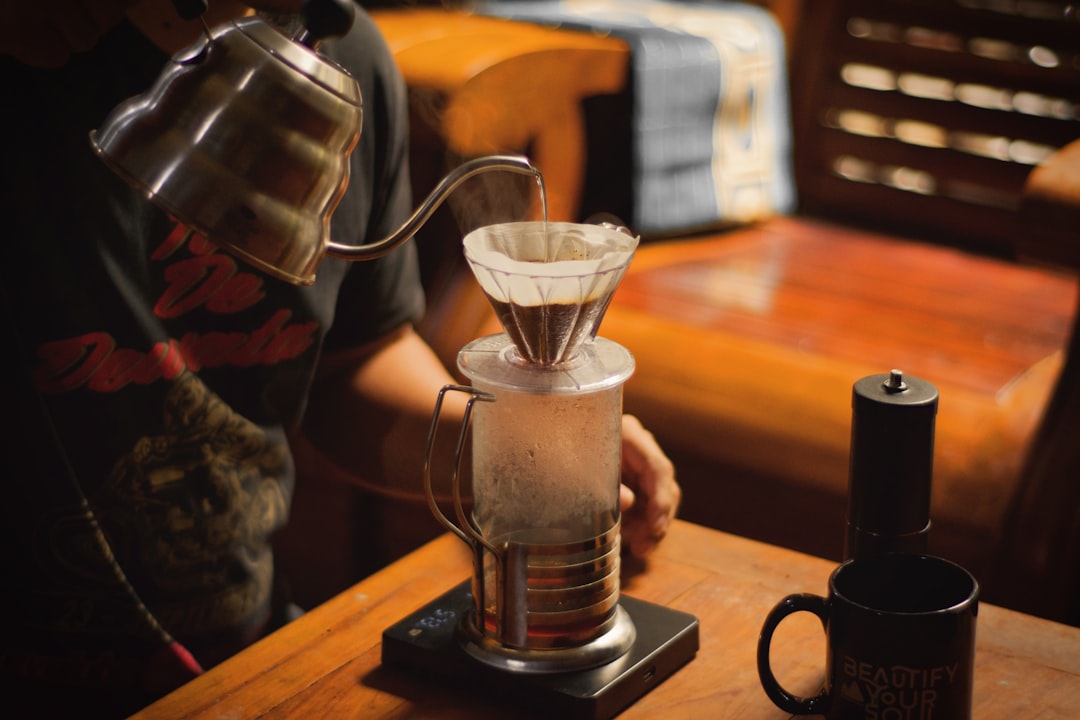 Photo by Ilham Danu Kusuma on Unsplash
You don’t need a $200 espresso machine to make great coffee at home. You need hot water, ground coffee, and a decent dripper. That’s it. If you’re brewing for one person every morning, pour-over is honestly the smartest way to go, and finding the best pour-over coffee dripper for one cup under $30 is easier than most people think.
Let’s get into what actually matters and which drippers are worth your money.
Why Pour-Over Coffee Makers Are Worth the Investment
Making coffee for one person with a big drip machine is kind of a waste. You end up with a half-full carafe going cold on a burner, or worse, you brew a full pot just for yourself and toss the rest. Pour-over solves that problem completely. You make exactly one cup, exactly how you like it, with zero waste.
The brewing itself gives you way more control than any automatic machine. You decide how fast the water flows, how long the grounds steep, and how the coffee blooms. That control translates directly into flavor. A lot of coffee nerds will tell you pour-over produces a cleaner, brighter cup than drip machines because the paper filter (or metal filter, depending on what you use) traps oils and sediment that would otherwise cloud your brew.
Then there’s the money. Espresso machines start around $100 for the cheap ones and climb into the thousands. Automatic drip makers with all the bells and whistles run $80 to $200. A pour-over dripper costs a fraction of that. You can get the best pour-over coffee dripper for one cup under $30 and still make coffee that rivals what you’d pay $5 for at a coffee shop. That’s a serious return on investment if you’re brewing daily.
For anyone who cares about flavor but doesn’t have unlimited cash to throw at kitchen gear, pour-over is the sweet spot. Simple equipment, real control, and coffee that actually tastes like something.
What to Look for in a One-Cup Pour-Over Dripper
Not every dripper is created equal, even in the budget category. Here’s what actually matters when you’re shopping.
Material changes both the brewing experience and the price. Ceramic holds heat well and doesn’t leach anything into your coffee, but it’s breakable and takes longer to heat up before brewing. Plastic is lightweight, cheap, and nearly indestructible, though some people worry about flavor transfer over time (usually a non-issue with BPA-free plastic). Stainless steel splits the difference: durable, doesn’t retain much heat on its own, but never cracks or stains.
Size and filter compatibility matter more than people expect. Most one-cup drippers use a size 01 or 02 paper filter, and you want to make sure whatever you buy matches filters you can easily find at the grocery store. Some drippers use proprietary filter shapes, which locks you into buying from one brand forever. Reusable metal filters solve this problem entirely since you never buy paper filters again.
Heat retention and brew time go hand in hand. A dripper that cools your water too fast will under-extract your coffee, leaving it weak and sour. Ceramic and double-walled stainless steel handle this better than thin plastic. Preheating your dripper with hot water before you brew helps regardless of material.
Cleaning and durability are the boring but important stuff. Look for drippers with wide cone openings (easier to clean) and dishwasher-safe materials. Anything with tiny ridges or hard-to-reach corners becomes a pain fast.
Top Budget-Friendly Pour-Over Drippers Under $30
Here’s where the best pour-over coffee dripper for one cup under $30 actually lives. I’ve broken down the main styles you’ll find, what they cost, and who each one is right for.
Ceramic Cone Pour-Over Dripper
This is the classic Hario-style shape most coffee shops use behind the counter. The ceramic cone pour-over dripper typically runs $15 to $25 and uses standard 01-size cone filters you can find anywhere.
Pros: Excellent heat retention once preheated, no plastic flavor concerns, looks nice enough to leave on the counter. Cons: Breakable if you drop it, takes a minute to warm up before brewing.
This is my go-to recommendation for anyone who wants the “real” pour-over experience without spending real money.
Plastic Wedge Pour-Over Dripper
The Melitta-style wedge shape is a classic for a reason. The plastic wedge pour-over dripper usually costs under $10, making it one of the cheapest legitimate options out there.
Pros: Nearly indestructible, lightweight for travel or camping, dishwasher safe. Cons: Less heat retention than ceramic, some people don’t love the look.
If budget is your only concern, this is the cheapest way to get a genuinely good cup of coffee.
Stainless Steel Pour-Over Dripper
For durability that outlasts everything else on this list, the stainless steel pour-over dripper usually lands between $20 and $30. Many come with a built-in mesh filter, so you skip paper filters entirely.
Pros: Nearly unbreakable, often comes with reusable filter built in, doesn’t retain flavors or odors. Cons: Cools water faster than ceramic unless double-walled, can get hot to the touch.
Great pick if you want one dripper that will realistically last you a decade.
Reusable Metal Filter Dripper
If you’re trying to cut down on buying paper filters constantly, the reusable metal filter dripper is worth a look. Prices sit around $15 to $25, and the fine mesh lets more coffee oils through than paper does, giving you a fuller-bodied cup.
Pros: Zero ongoing filter costs, environmentally friendly, full-bodied flavor. Cons: More sediment in the cup than paper filters, needs a good rinse after every use.
Glass Carafe Pour-Over System
Want something that looks nice on your counter and functions as a mini carafe too? The glass carafe pour-over system runs closer to $25 to $30 but gives you a dripper and small carafe combo instead of brewing straight into a mug.
Pros: More versatile (brew for one or double the recipe for two), looks great, easy to see brew progress. Cons: More pieces to clean, glass carafe can chip or crack if mishandled.
Collapsible Silicone Pour-Over Dripper
If counter space or storage is tight, the collapsible silicone pour-over dripper folds flat and costs around $10 to $18. It’s a favorite for camping and small apartments.
Pros: Folds flat for storage, lightweight, cheap. Cons: Less heat retention than rigid materials, silicone can feel less “premium.”
If you’re already dealing with limited kitchen storage, pairing this with something like the ideas in this guide to small kitchen dish racks can help you keep your whole coffee setup compact.
Melitta-Style Flat-Bottom Dripper
Unlike the cone shapes above, the melitta-style flat-bottom dripper has a flat base with a single hole, which slows the drip rate and gives you more control over extraction. Prices typically run $10 to $20.
Pros: More forgiving for beginners, slower drip means more even extraction, cheap. Cons: Flat-bottom filters aren’t as universally available as cone filters.
Always check current pricing before buying since Amazon listings shift around. But every option above regularly falls under that $30 mark, confirming there’s a real best pour-over coffee dripper for one cup under $30 no matter what material or style you prefer.
Pour-Over vs. Other Budget Coffee Brewing Methods
Pour-over isn’t the only cheap way to make coffee, so let’s be honest about the alternatives.
French press costs roughly the same as a pour-over dripper, usually $15 to $30. It produces a heavier, more full-bodied cup since there’s no paper filter catching oils. The downside is cleanup: you’re dealing with wet grounds in a carafe instead of tossing a filter. It’s also less precise for single cups since most French presses are sized for two or more servings.
AeroPress runs $30 to $40, slightly above our budget here, but it’s worth mentioning because it’s genuinely excellent for single servings. It brews faster than pour-over and produces a smoother cup, but it requires more physical effort (the actual pressing) and has more parts to clean.
Automatic drip machines are the least cost-effective option for single-cup brewing. Even a “budget” one runs $30 to $60, and you’re paying for a heating element, timer, and carafe you don’t need if you’re only making one cup at a time. They also tend to underperform on flavor compared to manual methods because the water temperature and flow rate aren’t optimized for extraction.
Pour-over wins for one simple reason: it’s the cheapest method that gives you full control over every variable, brewed exactly for one serving with no waste and no extra parts to maintain. If you’re already stocking your kitchen with other budget tools, it’s worth browsing something like 15 kitchen gadgets under $50 to see what else pairs well with a minimalist coffee setup.
Essential Accessories You’ll Need (And Where to Find Them Under Budget)
A dripper alone won’t get you a great cup. Here’s the rest of the setup, and it’s cheaper than you’d think.
Filters depend on your dripper style. Cone drippers need 01 or 02 size paper filters (usually $5 to $8 for a pack of 100). If you went with the reusable metal filter dripper mentioned above, you skip this cost entirely after the initial purchase.
A gooseneck kettle makes a real difference in pour-over quality. The narrow spout lets you control water flow precisely, which affects how evenly your coffee extracts. Budget gooseneck kettles start around $15 for a basic stovetop version, up to $30-40 for one with a built-in thermometer.
A coffee scale isn’t strictly required, but it removes all the guesswork. Coffee-to-water ratio is the single biggest factor in how your cup tastes, and eyeballing it leads to inconsistent results. Basic digital scales run $10 to $15 and often double as a kitchen scale for baking too.
Total setup cost, if you’re starting from zero: dripper ($15-30), filters ($5-8), gooseneck kettle ($15-30), scale ($10-15). You’re looking at roughly $45 to $80 for a complete pour-over station that will last years. Compare that to a $150 drip machine that’ll need replacing in three years, and the math heavily favors pour-over.
Tips for Brewing the Perfect Cup with Your Budget Dripper
Even the best pour-over coffee dripper for one cup under $30 won’t save you from bad technique. Here’s how to actually get it right.
Water temperature should sit between 195°F and 205°F. Boiling water (212°F) will scorch your grounds and produce a bitter cup. If you don’t have a thermometer, just boil your water and let it sit for 30 seconds before pouring.
Grind size matters more than most beginners realize. You want a medium-coarse grind, similar to coarse sand. Too fine and your water won’t drain fast enough, leading to over-extraction and bitterness. Too coarse and water runs through too fast, leaving you with weak, sour coffee.
Brewing time and technique follow a simple pattern: start with a “bloom,” pouring just enough water to saturate the grounds (about double the coffee weight), then wait 30 seconds for the coffee to release CO2. After that, pour slowly in circular motions, keeping the water level steady. Total brew time should land between 2.5 and 4 minutes depending on your dripper.
Common mistakes to avoid: pouring too fast (leads to uneven extraction), using stale coffee (always check your roast date), skipping the bloom step, and using the wrong grind for your dripper style. Flat-bottom drippers generally want a slightly finer grind than cone drippers because the flow rate is naturally slower.
If you’re dialing in your setup and want to keep your ground coffee fresher longer, it’s worth checking out this spice rack organizer guide for ideas on storing beans and grounds properly in a small kitchen.
FAQ: Common Questions About Affordable Pour-Over Drippers
Are cheap pour-over drippers worth buying? Absolutely. The dripper itself is one of the simplest pieces of coffee equipment out there. There’s no motor, no electronics, nothing to break in a way that affects performance. A $15 dripper brews essentially the same quality cup as a $60 one, as long as your technique and coffee are solid.
Can you use regular coffee filters in all drippers? No. Cone-shaped drippers need cone filters (usually size 01 or 02), while flat-bottom drippers need flat-bottom filters. They’re not interchangeable. Always check what shape filter your specific dripper requires before buying in bulk.
How long does a budget pour-over dripper last? Ceramic and ceramic and stainless steel versions can last decades if you don’t drop them. Plastic versions hold up well too, often lasting 5+ years of daily use since there’s nothing mechanical to wear out. Silicone collapsible versions are the least durable long-term but still typically last a year or more of regular use.
What’s the difference between ceramic and plastic drippers? Ceramic retains heat better, which helps maintain consistent water temperature throughout the brew. It’s also considered by some to produce a cleaner flavor since it doesn’t retain oils or odors from previous brews. Plastic is lighter, cheaper, and virtually unbreakable, though it cools faster and some people are picky about any plastic contact with hot water, even BPA-free versions.
Do you need special water or equipment for pour-over brewing? Filtered water helps if your tap water has a strong mineral taste, but it’s not required. As for equipment, you really just need the dripper, filters, a way to boil water, and something to measure your coffee (a kitchen scale works, though measuring spoons are fine in a pinch). A gooseneck kettle improves your pour control, but you can absolutely start with a regular kettle and get decent results while you decide if you want to upgrade.