Best French Press Under $30 in 2026: Top Affordable Brewers for Perfect Coffee
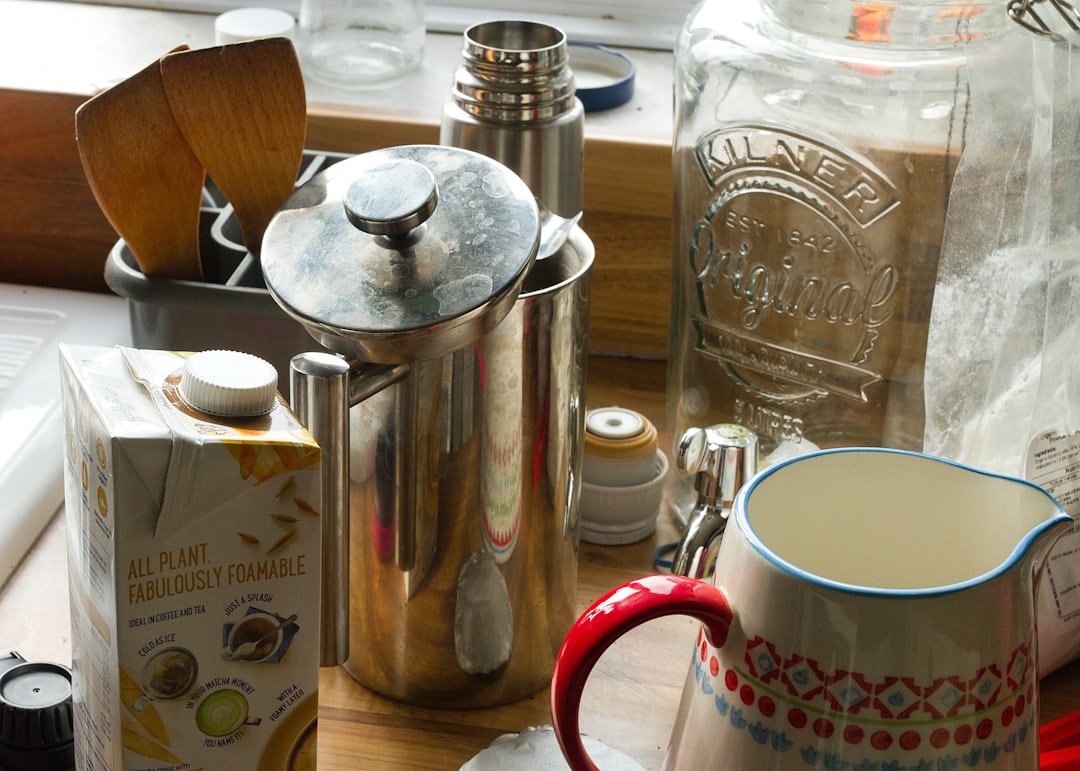 Photo by Marc Pell on Unsplash
You don’t need a $150 gadget to make coffee that tastes better than anything from a drip machine. A French press costs less than a fancy latte at your local shop and makes better coffee for years. The trick is knowing which cheap ones are actually good and which ones will crack, clog, or leak all over your counter within a month.
I’ve tested a stack of these things looking for the best french press under $30, and honestly, the price tag doesn’t tell you much on its own. Some $12 presses outperform $25 ones. Some $28 options feel like they belong in a hotel gift shop, not your kitchen. Let’s get into what actually matters.
Why a French Press is Worth Your Money
A French press strips coffee brewing down to basics: hot water, ground beans, time, and pressure. No paper filters soaking up oils, no plastic drip machine parts that wear out, no pods creating trash. Just full-bodied, rich coffee that tastes like actual coffee.
Compared to drip machines, a French press gives you way more control. You decide the steep time, the water temp, the grind. Compared to pour-over methods, it’s more forgiving and doesn’t require the same precision or patience. If you’ve looked into the best pour-over dripper for one cup, you already know pour-over rewards technique. French press rewards showing up and dumping in hot water.
Here’s the good news about budget options: French press design hasn’t changed much in decades. It’s a simple mechanism, a carafe, a plunger, a mesh filter. That means a $25 model can use the same basic engineering as a $90 one. You’re mostly paying extra for materials, brand name, and aesthetics once you get above $30, not necessarily better coffee.
At the very low end, under $15, you’ll find thin glass, flimsy filters, and handles that feel like they’ll snap. Between $15 and $30, quality jumps noticeably. You get thicker glass or actual stainless steel, better filter screens that don’t let grounds through, and sturdier handles and frames. This is the sweet spot for most home coffee drinkers.
Key Features to Look For in an Affordable French Press
Glass vs Stainless Steel Construction
Glass carafes let you see the brew, look classic, and don’t affect flavor at all. The downside is fragility. Drop one on tile and you’re buying another. Borosilicate glass is the standard to look for since it resists thermal shock better than regular glass, meaning it won’t crack when you pour boiling water in on a cold morning.
Stainless steel is nearly indestructible and keeps coffee hotter for longer since it insulates. Great if you’re clumsy, have kids in the kitchen, or want to make a full pot in the morning and still have hot coffee at noon. The tradeoff is you can’t see the brew, and some cheaper steel models have seams that trap old coffee oils.
Capacity Sizes and Their Best Uses
French presses run from single-serving travel sizes up to 8-cup monsters for the whole household. A 3-cup glass French press works great if you live alone and just want one solid mug in the morning. If you’re brewing for a partner or want seconds, look at something in the 4-cup range. For families or if you’re the coffee station at the office, an 8-cup stainless steel French press covers everyone without a second brew cycle.
Don’t oversize your press just because it’s available. Brewing a small amount of coffee in a huge carafe means the water loses heat faster and the ratios get harder to nail. Match the size to your actual daily habit.
Durability and Longevity of Budget Models
Cheap doesn’t have to mean disposable. The parts that fail first on budget presses are usually the plunger mechanism (cheap mesh bends or the rod wobbles) and the carafe handle. Look for a metal frame supporting a glass carafe rather than glass with a bare handle glued or clamped on. A 4-cup borosilicate glass French press with metal frame gives you the visual appeal of glass with a lot more structural backup, so it survives daily use instead of just looking good on a shelf.
Ease of Cleaning and Maintenance
This matters more than people think. A French press with a single mesh filter clogs fast and lets fine grounds through into your cup. A double micro-filter French press solves both problems at once, catching more sediment while still being easy to rinse under the tap. Look for presses where the plunger disassembles for cleaning. If you can’t take the filter apart to clean between the mesh layers, old coffee oil builds up and turns rancid, which ruins the taste of every cup after.
Our Top French Press Picks Under $30
1. 3-Cup Glass French Press
This is the classic single-person setup. Small footprint, classic glass-and-frame design, brews about two solid mugs of coffee at once. It heats up fast since there’s less mass to warm, and it’s light enough to carry from stove to table without needing two hands. If you’re new to French press brewing and want to try it before committing to a bigger investment, this 3-cup glass French press is the easiest entry point. Best for solo coffee drinkers who don’t need refills.
2. 8-Cup Stainless Steel French Press
This is the household workhorse. Full stainless construction means no glass to break, and the double-wall insulation on most models in this category keeps coffee hot for an hour or more without a warming plate. It brews enough for a full carafe of coffee for two to four people, or one person who wants their whole day’s caffeine ready at once. The 8-cup stainless steel French press is the pick if durability and capacity matter more to you than watching the brew happen.
3. 4-Cup Borosilicate Glass French Press with Metal Frame
This hits the middle ground between the tiny 3-cup and the massive 8-cup. Borosilicate glass handles temperature swings without cracking, and the metal frame around it means the handle and base actually hold up over months of daily use instead of getting wobbly. It’s a great gift option too, since it looks nicer than a plain glass carafe on a counter. Check out the 4-cup borosilicate glass French press with metal frame if you want something that looks put-together in a kitchen you actually show people.
4. 12-oz Travel French Press
For people who want French press coffee without a kitchen at all, this is the answer. Brew directly into a travel mug, screw on a lid, and go. No separate mug needed, no carafe to wash later beyond a quick rinse. It’s also genuinely useful for camping, since you don’t need an outlet or a filter. The 12-oz travel French press is a smart pickup if your mornings are rushed and you drink coffee in the car more than at the table.
5. 34-oz Modern Minimalist French Press
If your kitchen aesthetic matters as much as function, this is worth a look. Clean lines, no fussy branding plastered on the side, and a size that splits the difference between single-serving and full-household. Thirty-four ounces is enough for two people to get a full mug each without brewing twice. The 34-oz modern minimalist French press fits nicely if you’ve already put thought into how your counter looks, maybe alongside a nice cutting board or other counter pieces you don’t want to hide.
6. Budget Bamboo-Handle French Press
This one leans into a warmer, more rustic look while staying practical. The bamboo handle stays cool to the touch even after the carafe’s been holding hot coffee for a while, and it gives the whole thing a bit more visual character than plain black plastic or bare steel. It’s a solid mid-capacity option for anyone who wants their French press to look like it belongs on open shelving. The budget bamboo-handle French press is worth a look if style matters and you don’t want to pay extra for it.
7. Double Micro-Filter French Press
This is the pick for people who hate sediment in their coffee. A second layer of mesh catches the fine grounds that slip through a standard single-filter plunger, so your cup ends up cleaner without needing a paper filter. It takes a few extra seconds to press down since there’s more resistance, but the payoff is a smoother cup with way less grit at the bottom of your mug. The double micro-filter French press is the one to grab if you’ve been annoyed by gritty coffee in the past.
Comparison Table
| Product | Capacity | Material | Best For |
|---|---|---|---|
| 3-cup glass French press | 3 cups (~12 oz) | Glass with metal frame | Solo drinkers, small kitchens |
| 8-cup stainless steel French press | 8 cups (~34 oz) | Full stainless steel | Families, all-day hot coffee |
| 4-cup borosilicate glass with metal frame | 4 cups (~17 oz) | Borosilicate glass + metal | Balance of durability and looks |
| 12-oz travel French press | 12 oz | Stainless steel | Commuters, camping |
| 34-oz modern minimalist French press | 34 oz | Glass or steel | Two-person households, style-focused kitchens |
| Budget bamboo-handle French press | Varies (mid-size) | Glass with bamboo accent | Rustic kitchen aesthetics |
| Double micro-filter French press | Varies (mid-size) | Glass or steel | Sediment-free coffee lovers |
How to Brew the Perfect Cup with Your Budget French Press
The press itself only gets you halfway there. Technique does the rest, and it costs nothing to get right.
Water temperature and timing. Use water just off the boil, around 195-205°F. If you don’t have a thermometer, just let boiling water sit for 30 seconds before pouring. Too hot and you’ll scorch the grounds, pulling out bitterness. Steep for 4 minutes. Set a timer. Guessing leads to either weak, sour coffee or an overly bitter cup.
Grind size. Coarse, always. Think sea salt, not sand. Fine grounds slip through the mesh filter and end up in your cup, and they also over-extract fast, making everything taste bitter. If you’re grinding at home, a burr grinder on the coarsest setting works best. Pre-ground “French press” labeled coffee at the store is usually a safe bet too.
Brewing technique. Add your grounds, pour water over evenly, give it a light stir to make sure everything’s saturated, then put the lid on with the plunger pulled up (don’t press yet). After 4 minutes, press down slowly and steadily. Rushing the press kicks up sediment and can even cause hot coffee to spurt out the top.
Common mistakes. Pressing too fast, using grounds too fine, leaving coffee sitting in the carafe after brewing (pour it into a separate mug or thermos immediately, since it keeps extracting and turns bitter fast), and not cleaning the filter mesh regularly. These four things ruin more cups of French press coffee than the equipment ever does.
Comparing French Presses: Budget Options vs Premium Models
Spend more than $30 and you’re generally paying for double-wall vacuum insulation that holds heat for hours, thicker gauge steel or premium glass, and finer filter engineering that virtually eliminates sediment. Premium brands also tend to back their products with longer warranties, sometimes lifetime.
But here’s the honest take: for most people, that extra money buys marginal improvements. If you’re brewing one to two cups a day and drinking it within 20 minutes of brewing, a well-made budget press does the same job. The coffee in the cup tastes the same either way, since the brewing mechanism (mesh, hot water, steep time) is identical across price points.
Where premium models actually earn their price is if you brew a full carafe and want it to still be hot two hours later, or if you’re rough on kitchen gear and want something bulletproof. Otherwise, the best french press under $30 gets you 90% of the experience for a third of the cost.
FAQ
What’s the difference between a $15 and $30 French press?
At $15 you’re often getting thinner glass, a basic single-mesh filter, and a handle that might loosen over time. At $30 you typically get borosilicate glass or real stainless steel, a sturdier frame, and sometimes a double filter for cleaner coffee. The jump from $15 to $30 matters more than the jump from $30 to $80.
Can you really get a good French press under $30?
Yes. The core mechanism, hot water, coarse grounds, mesh plunger, is the same whether you spend $20 or $120. What premium price buys you is insulation, polish, and warranty, not better-tasting coffee.
How long do budget French presses last?
A well-made budget press with a metal frame or full steel body can easily last several years of daily use. The weak points are usually the glass carafe (if dropped) and the filter mesh wearing out from scrubbing. Handwashing gently and storing it somewhere it won’t get knocked over extends its life a lot.
What size French press should I buy for daily use?
For one person, a 3 or 4-cup press covers a solid morning mug. For two people or if you like a second cup, go with something in the 12 to 20-oz range. For households of three or more, an 8-cup stainless steel option saves you from brewing twice.
Are glass or metal French presses better for the money?
Glass looks better and lets you watch the brew, but it’s fragile. Metal is more durable and keeps coffee hotter longer, but you lose the visual element. If you’re prone to dropping things or want all-day heat retention, go metal. If you want a classic look and don’t mind some care, glass with a solid metal frame is the better middle ground.
Once you’ve got your press dialed in, pairing it with the right grinder and a decent spice rack or organized counter setup makes the whole morning routine smoother. Coffee doesn’t need to be complicated. It just needs the right basic tools, used consistently.