How to Choose the Right Cutting Board for Your Kitchen
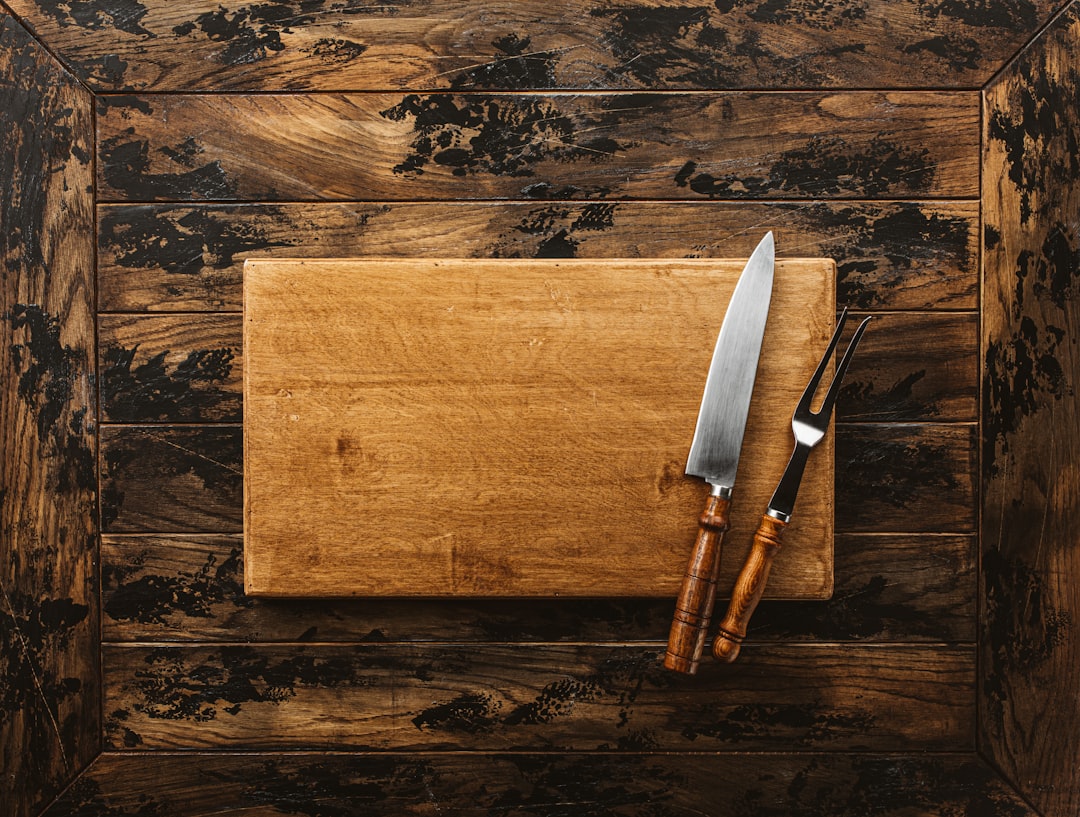 Photo by Sergey Kotenev on Unsplash
Your knife skills don’t matter much if you’re chopping on a warped plastic board that slides across the counter every time you press down. Most people buy a cutting board once, use it until it’s covered in dark knife grooves, and never think about it again. But the wrong board can dull your knives, harbor bacteria, and honestly make cooking more annoying than it needs to be.
The right board depends less on price and more on what you actually cook. A weekend bread baker needs something different than someone who breaks down a whole chicken every Sunday. Here’s how to figure out what fits your kitchen, your knives, and your habits.
Start With Material: Wood, Plastic, or Composite
This is the biggest decision you’ll make, and each material has real tradeoffs. There’s no single “best” option, just the best fit for how you cook.
Wood (specifically end-grain wood like maple or walnut) is the gentlest on knife edges. The fibers run vertically, so your blade slides between the wood grain instead of cutting straight across it, which helps keep edges sharper longer. Wood also has natural antimicrobial properties, but it’s not dishwasher safe and needs regular oiling to prevent cracking. Edge-grain wood boards (where the grain runs horizontally) are cheaper and still knife-friendly, just less durable long-term than end-grain.
Plastic (usually polyethylene) is the practical choice for raw meat and poultry. It’s dishwasher safe, cheap to replace, and comes in color-coded sets so you can dedicate one board to chicken and another to vegetables. The downside: plastic scars easily, and those knife grooves become bacteria traps over time. Once a plastic board looks like a skating rink, it’s time to toss it.
Composite (often wood fiber or paper composite, like the brands you’ll see marketed as “hybrid” boards) tries to split the difference. They’re dense, non-porous, dishwasher safe, and gentler on knives than plastic. They cost more than basic plastic but less than a quality end-grain wood board. If you want one board that does most things well, this is often the sweet spot.
Glass and marble boards look nice but are genuinely bad choices for daily cooking. They’re hard enough to dull your knives fast and loud enough to make every chop sound like a hammer strike. Save these for serving cheese, not cutting anything.
Match the Board to How You Actually Cook
Buying based on what looks good in a kitchen photo is how you end up with a board you never use. Think about your actual weekly cooking instead.
- If you cook meat often, get a dedicated plastic or composite board just for raw protein. Keep it separate from your produce board and run it through the dishwasher after every use.
- If you’re mostly chopping vegetables and prepping, an end-grain wood board is worth the investment. It’ll last decades if you take care of it.
- If you bake bread or pastry, look for a large wood or composite board with enough flat surface for kneading and rolling. Anything under 18 inches long will feel cramped.
- If you’re short on storage, a plastic board that can go in the dishwasher and stand upright in a cabinet slot beats a heavy wood board that needs air-drying space on the counter.
- If you serve charcuterie or cheese, a smaller wood or slate board earns its keep, but don’t cut raw meat on it regularly since decorative boards are usually softer wood that scars easily.
Most well-stocked kitchens end up with two or three boards rather than one do-it-all board. That’s normal, not excessive.
Size, Thickness, and Grip Matter More Than You Think
A board that’s too small forces you to cut in batches and lets food slide off the edges onto your counter. Aim for at least 15 by 20 inches for everyday use, bigger if you regularly break down whole chickens or roasts.
Thickness affects both durability and stability. Thin boards under half an inch tend to warp, especially plastic ones that go through repeated dishwasher cycles. Look for at least three-quarters of an inch for wood boards and a half inch minimum for plastic.
Grip is the detail most people ignore until their board slides mid-chop. Check for rubber feet on the corners, or buy a board with juice grooves and a slight lip that catches on your counter edge. If your current board doesn’t have feet, a damp paper towel or a silicone mat underneath solves the problem for free.
What to Avoid When Buying
Skip boards with unfinished or unsealed wood, since they absorb moisture and crack faster. Avoid anything labeled “decorative use only,” no matter how good it looks, because it usually means the wood is too soft or thin for real cutting. And steer clear of bamboo marketed as a budget wood alternative unless it specifically says it’s manufactured with a food-safe, water-resistant adhesive: cheaper bamboo boards delaminate and split within a year.
If you’re setting up a kitchen from scratch, a cutting board is one of a handful of tools worth spending real money on, alongside a decent knife and a stable set of mixing bowls. For more on outfitting a small kitchen without cluttering your counters, our guide to space-saving mixing bowl sets covers a similar problem: getting the right tool without overbuying.
Frequently Asked Questions
How many cutting boards do I actually need? Two is the practical minimum: one plastic or composite board for raw meat and poultry, one wood or composite board for produce, bread, and everything else. A third smaller board for garlic, herbs, or citrus is a nice add-on but not essential.
Is bamboo a good cutting board material? It can be, but only from reputable brands that use water-resistant, food-safe glue between the bamboo strips. Bamboo is harder than most hardwoods, which means it’s more durable against scarring but also harder on your knife edge. Cheap, unbranded bamboo boards tend to split and delaminate faster than real wood.
How often should I replace a cutting board? Plastic boards should be replaced every 1 to 2 years, or sooner if you see deep grooves that don’t come clean. Wood and composite boards can last a decade or more with proper oiling and care, as long as they’re not cracked or warped.
The Bottom Line
The right cutting board comes down to matching material to how you cook, not chasing the fanciest option on a shelf. Get a dedicated plastic or composite board for raw meat, a solid wood or composite board for everything else, and size up rather than down. Do that, and your knives, your counters, and your prep time will all thank you.
Related Articles
- Best Garlic Press That Actually Minces Under $20 in 2026: Top Picks for Real Results
-
[Best Mixing Bowl Set for Small Kitchens Under $50 in 2026 Space-Saving Solutions](https://kitchen-finds.com/2026/08/20/best-mixing-bowl-set-for-small-kitchens-under-50-in-2026-space-saving-solutions/) - How to Clean a Blender Without Taking It Apart