Best Garlic Press That Actually Minces Under $20 in 2026: Top Picks for Real Results
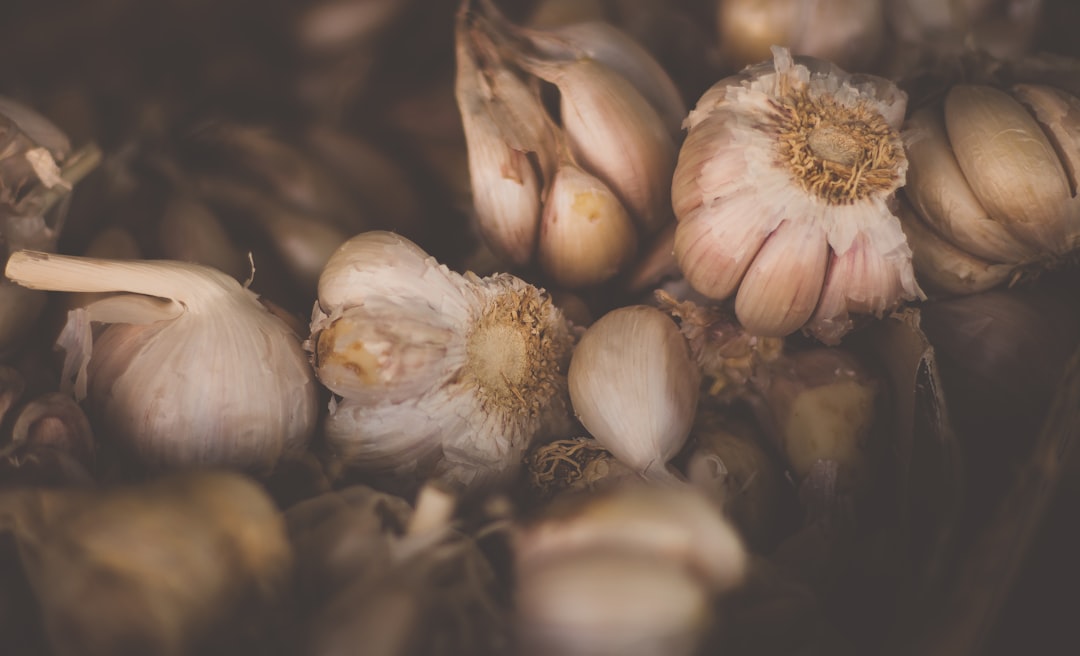 Photo by Anton Darius on Unsplash
You’ve been there. You buy a garlic press because it looks legit in the store, get it home, and it turns your garlic into a weird paste-chunk hybrid that half sticks to the holes and half stays whole in the chamber. Then you spend five minutes picking bits out with a toothpick, muttering about how you should’ve just used a knife.
Most garlic presses under $20 are junk. But not all of them. Some actually do the job they’re built for, and finding the best garlic press that actually minces under $20 comes down to knowing what separates the good ones from the landfill fillers. That’s what this is about.
Why a Quality Garlic Press Matters
The difference between crushing and mincing garlic
Crushing garlic and mincing garlic are not the same thing, even though most cheap presses treat them like they are. Crushing means you’re smashing the clove until it breaks apart into random-sized pieces. Mincing means you’re forcing the garlic through small, uniform holes so it comes out consistent, fine, and ready to cook with immediately.
A press that crushes leaves you with a mix of paste and half-crushed chunks. That’s the telltale sign of a bad tool. A press that actually minces pushes every bit of the clove through the same size opening, so what lands in your pan is uniform. That consistency matters more than people think.
How proper mincing affects flavor release and cooking
Garlic’s flavor compounds get released through cell damage, basically the more surface area you expose, the more allicin (the stuff that gives garlic its punch) gets activated. Finely minced garlic releases flavor faster and more evenly than chunky, crushed garlic. It also cooks faster and more uniformly, which means less risk of burnt bits sitting next to raw ones in your sauté pan.
If you’ve ever had a dish where some garlic tastes sharp and raw while other pieces taste burnt, that’s usually a mincing problem, not a heat problem. Even-sized pieces cook evenly. Simple as that.
Why cheap garlic presses fail and waste your money
Most bargain-bin garlic presses fail for one of three reasons: the holes are too big, the metal is too thin and bends under pressure, or the hinge mechanism doesn’t generate enough leverage to actually push the clove through. You end up applying way more force than you should, your hand gets tired, and the garlic still comes out uneven.
The frustrating part is that a well-made press under $20 exists. You just have to know what to look for instead of grabbing whatever’s cheapest on the shelf.
What to Look For in a Garlic Press Under $20
Chamber size and ease of loading garlic cloves
A good chamber fits a full, unpeeled clove without you having to chop it down first. Some cheaper presses have tiny chambers that only fit half a clove, which means more loading, more squeezing, more time. Look for a press with a chamber that comfortably holds one to two average-sized cloves at once.
Mincing blade quality and sharpness retention
This is the single biggest differentiator between “meh” and “actually good.” Cheap presses use thin stamped aluminum with holes punched through. These bend, dull, and warp fast. Better presses under $20 use stainless steel plates with precision-cut holes that stay sharp longer and don’t bow out from repeated pressure.
Ergonomic handle design for repeated use
If you cook a lot, you’ll notice handle design fast. Thin, hard plastic handles dig into your palm after a few uses. Look for wider handles with some curve to them, or rubberized grips that spread the pressure across your hand instead of concentrating it in one spot.
Cleaning difficulty and dishwasher compatibility
Garlic press cleaning is where most people give up on the tool entirely. If the holes clog with pulp and you need a pick to dig it out every time, you’ll stop using it. Look for presses with a stated dishwasher-safe design, or ones that come with their own cleaning tool. This alone can be the difference between a press you actually reach for and one that sits in a drawer.
Material durability: stainless steel vs. aluminum
Stainless steel is heavier, resists warping, and doesn’t react with garlic’s acidity over time. Aluminum is lighter and cheaper to manufacture, but it bends under pressure and can pit or discolor after repeated use. For anything under $20, stainless steel construction is the feature to prioritize above almost everything else.
Top Garlic Presses That Actually Mince Under $20
Here’s where it gets practical. These are the presses worth your money if you’re trying to find the best garlic press that actually minces under $20 without gambling on a random Amazon listing.
1. Manual Stainless Steel Garlic Press with Mincing Chamber
This is the workhorse option. The manual stainless steel garlic press with mincing chamber uses a solid stainless plate with tightly spaced holes, which is exactly what you want for consistent mincing instead of half-crushed chunks. The chamber fits a full clove without pre-chopping, and the metal holds up to repeated pressure without bending. If you want one press that just does the job without extra features, this is it.
2. Ergonomic Handled Garlic Press with Fine Mesh
If your hands get tired doing repetitive kitchen tasks, this one’s worth a look. The ergonomic handled garlic press with fine mesh has a wider handle shape that distributes pressure better across your palm, plus a fine mesh plate that produces a genuinely minced texture instead of a paste. It’s a good pick if you’re mincing multiple cloves in one sitting, like when you’re making a big batch of sauce.
3. Heavy-Duty Garlic Press with Built-In Cleaner
Cleaning is the number one reason people abandon their garlic press, so this design solves that directly. The heavy-duty garlic press with built-in cleaner comes with an attached pin-style cleaning tool that pushes leftover pulp out of the mincing holes in seconds. The body itself is thicker gauge steel than most budget presses, so it holds its shape after months of use.
4. Compact Garlic Press for Small Kitchens
Not everyone has drawer space to spare. The compact garlic press for small kitchens is shorter and narrower than standard presses but doesn’t sacrifice mincing quality. It’s a smart pick if you’re working with a tight kitchen setup, similar to the kind of space-conscious thinking behind this mixing bowl set for small kitchens. Small footprint tools that still perform well are worth prioritizing when counter and drawer space is limited.
5. Dual-Chamber Garlic Press for Batch Mincing
If you cook for a crowd or meal prep for the week, a single-clove press gets tedious fast. The dual-chamber garlic press for batch mincing lets you load two cloves at once, cutting your prep time roughly in half. The tradeoff is it requires a bit more hand strength to squeeze through both chambers evenly, so it’s better suited for people who don’t mind applying firm, steady pressure.
6. Silicone-Grip Garlic Press for Arthritis Sufferers
Hand strength and joint pain make a real difference in which tool actually gets used versus which one sits in a drawer. The silicone-grip garlic press for arthritis sufferers has a soft, cushioned grip and a longer handle for better leverage, so you need less force to get the same mincing result. This is a genuinely useful design choice, not a gimmick, since leverage physically reduces the effort needed to press garlic through the holes.
Budget vs. Premium: What Extra Features Cost
Why some presses cost more and whether it’s worth it
Premium garlic presses, the $25 to $40 range, usually add things like cast zinc construction, self-cleaning mechanisms with rotating cleaning teeth, and lifetime warranties. These are real upgrades, but they mostly matter if you’re pressing garlic daily for years. For most home cooks, a well-made stainless steel press under $20 covers 90% of what a premium model does.
Gimmicks to avoid when shopping
Watch out for presses that advertise “no-peel” mincing. Most of these leave papery bits mixed into your garlic, which is worse than just peeling the clove first. Also be skeptical of presses claiming to mince ginger, nuts, and garlic all with the same plate. Different foods need different hole sizes and pressures, and a multi-tool press usually does none of the jobs particularly well.
Best value options for home cooks vs. frequent users
If you cook a few times a week, the manual stainless steel press with a mincing chamber is your best bet, simple, durable, no extra parts to lose. If you’re cooking daily or batch-prepping, the dual-chamber option saves real time. And if hand fatigue or grip strength is a concern, the silicone-grip model is worth the switch even if it’s a few dollars more than the bare-bones option.
How to Use Your Garlic Press for Maximum Mincing
Proper clove preparation techniques
Peel your garlic first. Yes, some presses claim you don’t need to, but unpeeled garlic almost always leaves papery skin bits mixed into the minced garlic, which changes the texture and can taste bitter. Trim off the hard root end too, since that part doesn’t press well and tends to stay whole in the chamber.
Applying pressure evenly for consistent results
Squeeze the handles together in one smooth, steady motion instead of pumping in short bursts. Even, continuous pressure pushes the clove through the holes uniformly. Short, jerky squeezes tend to leave part of the clove stuck halfway through, which is exactly the crushed-chunk texture you’re trying to avoid.
Avoiding the common mistake that leaves chunks
The biggest mistake is overloading the chamber. Cramming in too much garlic at once means the press can’t generate enough force to push everything through evenly, so you end up with a mix of minced garlic and unpressed chunks. Stick to the recommended clove count for your specific press, usually one to two cloves depending on chamber size.
Maintenance tips to keep blades sharp longer
Rinse your press immediately after use, before the garlic residue dries and hardens in the holes. If you’re not using a model with a built-in cleaner, a stiff-bristled brush works well for digging out stuck bits. Avoid soaking stainless steel presses for long periods since prolonged moisture exposure can eventually affect the hinge mechanism, even on stainless models.
If you’re also dealing with other kitchen tools that struggle with grime buildup, it’s worth checking how you handle general kitchen maintenance, similar to the upkeep tips covered in our guide on kitchen shears for meal prep. Good tool maintenance habits tend to carry over across your whole kitchen setup.
Frequently Asked Questions About Garlic Presses
Do I need to peel garlic before using a press?
Yes, for the best results. Unpeeled garlic can technically go through some presses, but you’ll get skin fragments mixed into your minced garlic, which affects both texture and taste.
Why does my garlic press leave chunks instead of mincing evenly?
Usually it’s one of three things: the chamber is overloaded, the holes are too large, or the blade plate has warped from repeated use with too much force. If you’ve ruled out overloading and it’s still happening, the press itself is probably the problem, not your technique.
Can a garlic press replace a knife for mincing garlic?
For most everyday cooking, yes. A quality press gets you a finer, more uniform mince faster than a knife, especially if knife skills aren’t your strong suit. Some chefs still prefer hand-mincing for texture control in specific dishes, but for weeknight cooking, a good press under $20 does the job just fine.
Is stainless steel really better than aluminum for garlic presses?
Generally, yes. Stainless steel resists bending, doesn’t react with garlic’s natural acids, and holds its shape over years of use. Aluminum presses are lighter and cheaper but tend to warp and dull faster, which directly affects mincing quality over time.
How do I clean garlic smell out of my press?
Rinse immediately after use, then wash with warm soapy water and a stiff brush for the holes. A quick soak in a mix of water and lemon juice or white vinegar can help neutralize lingering odor if regular washing isn’t cutting it.
Are dishwasher-safe garlic presses actually better?
They’re more convenient, which means you’re more likely to clean the press properly and often, extending its lifespan. Just check the specific product listing, since not every stainless steel press is rated dishwasher-safe despite the material being generally dishwasher-friendly.
Related Articles
-
[Best Mixing Bowl Set for Small Kitchens Under $50 in 2026 Space-Saving Solutions](https://kitchen-finds.com/2026/08/20/best-mixing-bowl-set-for-small-kitchens-under-50-in-2026-space-saving-solutions/) - Best Can Opener That Actually Works Under $20 in 2026: Top Picks Tested and Reviewed
- Best Pot and Pan Organizers for Small Kitchens Under $50 in 2026