How to Season a Cast Iron Skillet (and Keep It Seasoned for Years)
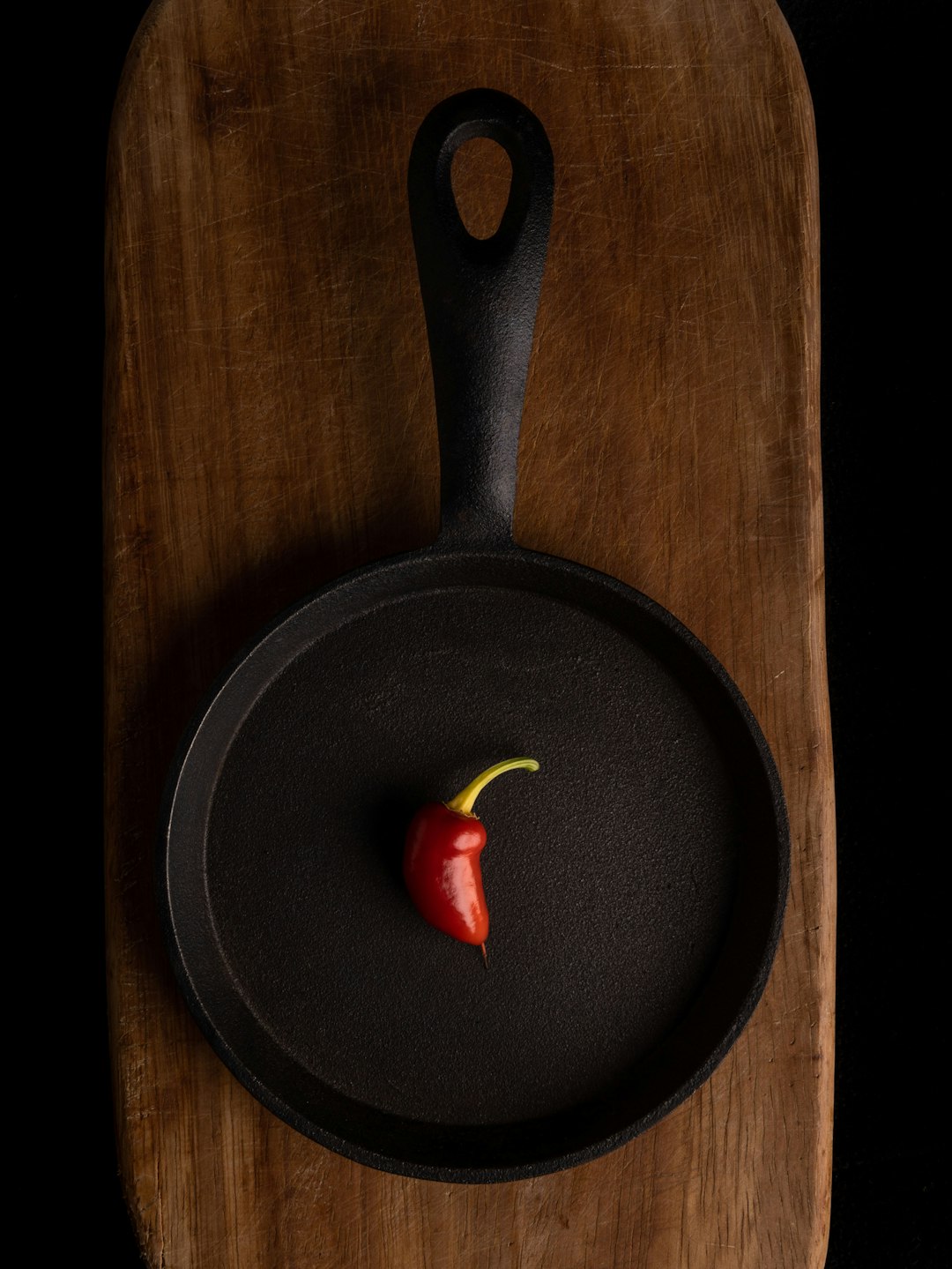 Photo by Joel Rouse on Unsplash
Most people ruin a cast iron skillet before they ever cook a single meal in it. They scrub it with soap, let it air dry, or skip the oven step entirely, then wonder why their eggs stick and their pan looks patchy after a month.
Seasoning is not complicated, but it does require doing a few specific things in the right order. Get it right once and you will rarely need to repeat the full process. The pan practically maintains itself after that.
Here is exactly how to do it.
What Seasoning Actually Is
Seasoning is not a coating you add to a pan. It is the pan itself, transformed. When you apply a thin layer of oil and heat it past its smoke point, the oil polymerizes: it bonds to the metal and forms a hard, slick surface. Do that several times and you build up layers that make the skillet naturally non-stick and rust-resistant.
The key word is thin. A thick layer of oil does not polymerize properly. It stays tacky, peels off, and leaves you with a sticky, uneven mess. Less oil, applied carefully, does more work than a heavy coat ever will.
What You Need Before You Start
- A cast iron skillet (new, vintage, or stripped down to bare metal)
- Paper towels or a lint-free cloth
- Neutral oil with a high smoke point: flaxseed oil, Crisco, or refined coconut oil all work well. Avoid olive oil and unrefined coconut oil, both smoke too low and leave a gummy finish.
- An oven that can reach 450 to 500 degrees Fahrenheit
- Oven mitts rated for high heat
That is genuinely everything you need.
How to Season a Cast Iron Skillet: Step by Step
Step 1: Wash the Pan
If the skillet is new or has been stripped, wash it with warm water and a small amount of dish soap. Yes, soap. This is the one time soap is appropriate. You are removing factory residue or rust, not seasoning. Rinse it completely.
Dry it immediately with a towel, then put it on the stovetop over medium heat for two to three minutes to drive off any remaining moisture. A wet pan rusts fast.
Step 2: Apply the Oil
Pour about half a teaspoon of oil into the pan. Using a paper towel, rub it all over the entire surface: inside, outside, handle, and bottom. Every part of the pan.
Now here is the step most guides skip. Take a fresh dry paper towel and wipe off the oil. Wipe it firmly, as if you are trying to remove it completely. What looks like a bare pan is what you want. You are not seasoning with the oil you can see. You are seasoning with the thin film left behind after wiping.
Step 3: Bake It Upside Down
Place the skillet upside down on the middle rack of your oven. Put a sheet of foil or a baking sheet on the rack below to catch any drips, though there should be very few if you wiped it properly.
Bake at 450 to 500 degrees Fahrenheit for one full hour. Let the pan cool in the oven with the door closed. Do not rush this step. The slow cool-down is part of what helps the layer bond correctly.
Step 4: Repeat Three to Four Times
One round gives you a thin base layer. Repeat the oil-wipe-bake cycle three to four more times in a single session if you can. Each round builds another bonded layer and deepens the seasoning from gray to a warm black sheen.
After four rounds, your pan is ready to cook in.
The Best Way to Maintain Seasoning Is to Cook in the Pan
Every time you cook with fat, you are adding to the seasoning. Frying bacon, searing a steak, sauteing vegetables in butter: all of it reinforces the surface. A well-used skillet outperforms a well-seasoned-but-rarely-used one every time.
Stick to these habits and the seasoning will look after itself:
- Dry the pan completely after every wash. Moisture is the only real enemy.
- After washing, heat it briefly on the stovetop to make sure it is bone dry.
- Rub a tiny amount of oil over the surface with a paper towel before storing.
- Store it somewhere dry with good airflow. A stacked cabinet with lids piled on top is fine if you put a paper towel between pans to absorb any ambient moisture.
How to Clean Cast Iron Without Wrecking the Seasoning
Use warm water and a stiff brush or a chainmail scrubber. For stubborn stuck food, add a tablespoon of coarse kosher salt and scrub with a paper towel. The salt acts as a mild abrasive and lifts the residue without touching the seasoning.
Soap is not a crisis if you use it occasionally, but there is no good reason to reach for it when salt and water handle most cleaning jobs. Never soak the pan, and never put it in the dishwasher.
Signs Your Seasoning Needs a Refresh
Patchy or dull spots, a reddish tinge that is not rust, or food sticking more than usual: all of these mean the seasoning has worn thin in places. You do not need to strip the pan and start over. Just do one or two more rounds of the oil-wipe-bake cycle and cook with plenty of fat for a week or two.
Visible orange rust means you need to scrub it off with steel wool, wash, dry thoroughly, and repeat the full seasoning process from scratch. It sounds daunting, but it takes less time than most people expect, and the pan will be better for it.
What Oils Work Best for Seasoning Cast Iron
Use refined oils with a smoke point above 400 degrees Fahrenheit. Refined coconut oil, Crisco shortening, and flaxseed oil are the most popular options. Lodge, the most widely recognized cast iron brand, uses soy-based vegetable oil for its factory seasoning.
Avoid extra virgin olive oil, butter, and unrefined nut oils for the oven seasoning step. They work fine for cooking, but they polymerize poorly at high heat and can leave a sticky surface.
If you are thinking about how your cast iron fits into your broader kitchen setup, our roundup of best silicone spatulas under $50 includes options that work perfectly with cast iron without scratching the surface.
Frequently Asked Questions
Can I use soap to clean my cast iron skillet? Occasionally, yes. Modern dish soap is mild enough that a quick wash with soap and water will not strip properly polymerized seasoning. The problem is soaking, scrubbing aggressively, or doing it every single time. For daily cleaning, warm water and a stiff brush are enough.
Why is my cast iron skillet sticky after seasoning? You applied too much oil. A thick layer cannot polymerize properly in the oven and stays tacky instead of hardening. Strip the pan by baking it at 500 degrees for an hour, let it cool, wipe it down, and start the seasoning process again using a much thinner coat of oil.
How long does cast iron seasoning last? A well-seasoned, regularly used skillet can go years without needing a full re-seasoning. The seasoning builds and improves with every use. Neglect, moisture, and acidic foods like tomatoes or citrus are the main things that degrade it over time.
The Bottom Line
Season your skillet with thin coats of high-smoke-point oil, bake it upside down at 450 to 500 degrees Fahrenheit, and repeat the process three or four times. After that, just cook in it regularly, dry it completely after every wash, and store it with a light coat of oil. The pan will reward the habit with decades of reliable, non-stick performance.