Best Silicone Spatula Under $50: Top Picks for Every Kitchen Task
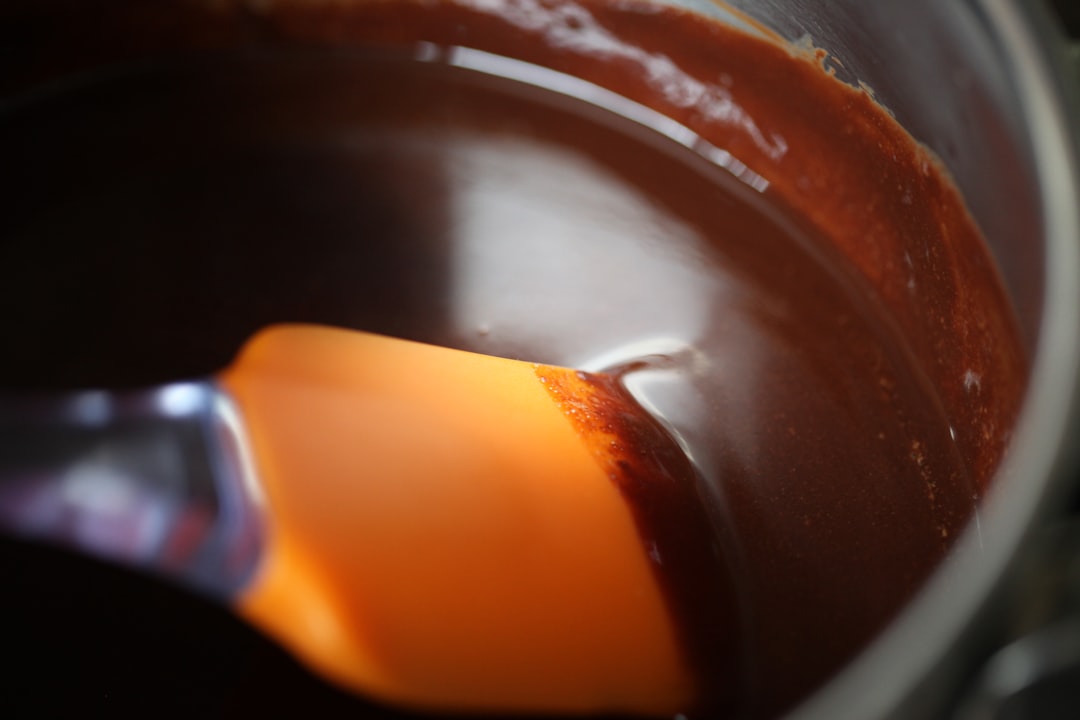 Photo by Joanna Stolowicz on Unsplash
A good silicone spatula might be the most underrated tool in your kitchen. It scrambles eggs without scratching your pan, folds batter without deflating it, and scrapes every last bit of sauce from the bowl. One tool, a hundred uses. And the best ones cost less than a dinner out.
This guide cuts through the noise. No vague advice about “looking for quality.” Just real picks, clear reasons, and honest comparisons so you can grab the right spatula and get back to cooking.
Why a Quality Silicone Spatula is Essential
Versatility Across Every Cooking Task
Think about how many times a day you reach for a spatula. Scrambling eggs in the morning. Folding whipped cream into a mousse. Scraping brownie batter from the bowl. Flipping a grilled cheese. Stirring risotto. One tool shows up for all of it.
That’s the real value here. A quality silicone spatula replaces several single-purpose tools. It works on the stovetop, in the mixing bowl, and in the baking dish. That kind of versatility is rare in a kitchen tool.
Heat Resistance and Durability
Silicone handles heat. Most quality spatulas are rated to at least 400°F, and the better ones go up to 600°F. That means you can stir a simmering sauce, flip something in a screaming hot cast iron, or pull caramel off the stove without worrying about melting your utensil or releasing chemicals into your food.
Silicone also doesn’t absorb odors, doesn’t stain easily, and doesn’t warp over time. A decent silicone spatula can last years with basic care.
Why Silicone Beats Wood and Plastic
Wooden spatulas look great but they crack, absorb bacteria, and can’t go in the dishwasher. Plastic spatulas melt, warp, and release microplastics at high temperatures. Silicone sidesteps all of that.
Silicone is non-reactive, which matters when you’re cooking acidic foods like tomato sauce or citrus curd. It’s flexible enough to get into bowl corners, firm enough to flip a burger. It’s food-safe at high temps. There’s a reason professional kitchens have made the switch.
How to Use This Guide
Browse by task if you know what you need. Jump to the comparison table if you want a quick visual. Read the FAQ at the bottom if you have specific questions about materials, cleaning, or safety. Either way, you’ll leave with a clear answer.
Key Features to Look for in a Silicone Spatula
Head Width and Flexibility
The head is where the work happens. Wide heads (3 to 4 inches) are great for flipping pancakes and fish fillets. Narrow heads are better for scraping jars and folding delicate mixtures. Flexible heads conform to bowl curves and pan surfaces. Stiffer heads give you more control when you need to flip something heavy.
Look for a head that’s thin at the edges. That thin edge is what lets you slide cleanly under food without tearing it.
Heat Resistance Ratings
Don’t settle for anything rated below 400°F. That’s the minimum for safe everyday cooking. For high-heat tasks like searing or candy-making, look for 450°F to 600°F ratings. Always check whether the rating applies to the whole spatula or just the silicone head, especially on models with separate handles.
Food-grade, BPA-free silicone is the standard. Avoid anything that smells strongly of chemicals straight out of the package. That’s a red flag for low-quality filler material.
Handle Ergonomics and Grip
You’ll hold this thing for minutes at a time. Handle comfort matters. Look for handles that fit naturally in your hand, have some texture or grip material, and don’t force your wrist into an awkward angle. Longer handles (around 11 to 13 inches total) give you distance from hot surfaces. One-piece silicone handles are comfortable and easy to clean.
Durability Under $50
You don’t need to spend much to get a spatula that lasts. The sweet spot is $10 to $25 for a single spatula, or $20 to $40 for a solid set. Above that, you’re mostly paying for brand name. Below $10, quality tends to drop noticeably. This guide stays under $50 because that’s where the real value lives.
Non-Stick Safety and Cleaning
Silicone is gentle on non-stick coatings. That matters if you’ve invested in good cookware. It’s also naturally non-stick itself, so sauces and batters slide off easily. Most silicone spatulas are dishwasher safe, which is a genuine convenience. One-piece designs (no separate handle) are easiest to keep clean.
Best Silicone Spatulas for Different Kitchen Tasks
Best All-Purpose Silicone Spatula
For everyday cooking, you want a wide, flexible head with a comfortable handle and solid heat resistance. The wide-head silicone spatula hits that mark cleanly. It’s the kind of spatula you grab without thinking because it handles almost everything. Wide enough to flip, flexible enough to scrape, long enough to keep your hand away from the heat.
If you only buy one spatula, make it this type. It earns its spot in the drawer every single day.
Best Silicone Spatula for Mixing Thick Doughs
Cookie dough, bread dough, dense brownie batter. These need a spatula with some backbone. A flimsy head bends too much under pressure and makes mixing exhausting. You want a spatula with a thicker, firmer head and a handle that doesn’t twist in your grip.
The stiff dough mixing spatula is built for exactly this. More resistance in the head means more control when you’re working through something thick. It’s not as flexible as a bowl scraper, but that’s the point. You need leverage, not bendiness.
Best Silicone Spatula for Scraping and Folding
Folding whipped cream into mousse or egg whites into batter requires a spatula that moves with the mixture, not against it. You want a wide, flat, flexible head that creates a broad sweeping surface. Bowl scrapers and flexible spatulas shine here.
The goal is minimal deflation and maximum incorporation. A rigid spatula will knock the air out of anything delicate. A thin, flexible head glides through the mixture and preserves the structure you worked hard to create.
Best Silicone Spatula for High-Heat Cooking
Searing, stir-frying, candy making. These tasks push spatulas to their limits. For high-heat work, look specifically for spatulas rated to 500°F or above and made from 100% food-grade silicone with no fillers.
The high-heat silicone scraper is built to handle serious temperatures. It’s firm enough to flip proteins without bending, and rated for the kind of heat that would warp a lesser tool. If you cook over high heat regularly, this is worth having.
Best Silicone Spatula for Non-Stick Cookware
Non-stick pans are an investment. The wrong tool scratches the coating and ruins them fast. Silicone is the safest material for non-stick surfaces because it’s softer than the coating and has no sharp edges.
For this job, pick something with a smooth, rounded head and no metal parts anywhere near the cooking surface. One-piece silicone designs are ideal. The one-piece silicone turner is a great pick here. No seams, no metal, nothing to catch or scratch. Just smooth silicone against a surface that needs protecting.
Our Top Silicone Spatula Picks (The Winners at a Glance)
Here’s a quick comparison to make the decision easier.
| Spatula | Best For | Approx. Price | Heat Rating |
|---|---|---|---|
| Wide-head silicone spatula | All-purpose use | ~$12-15 | 450°F+ |
| One-piece silicone turner | Non-stick cookware | ~$10-14 | 450°F+ |
| Dough mixing spatula | Thick batters and doughs | ~$12-16 | 400°F+ |
| High-heat silicone scraper | High-temp cooking | ~$15-20 | 500-600°F |
| Silicone spatula set | Full kitchen coverage | ~$25-35 | 450°F+ |
| Budget spatula bundle | Value and variety | ~$15-22 | 400°F+ |
Best value pick: The wide-head all-purpose spatula. Low price, high performance, handles 80% of kitchen tasks.
Best premium-ish option: The high-heat scraper. More specialized, built to last, worth it if you cook on high heat regularly.
Best set: The heat-resistant spatula set gives you multiple sizes and profiles without going over budget.
What Makes Award-Winning Kitchen Utensils Stand Out
Construction Quality and Testing
The difference between a spatula that lasts two years and one that lasts two months is usually in the materials and construction. One-piece designs eliminate the weakest point of most spatulas: the junction between handle and head. If there’s a seam, it’s where bacteria hides and where the tool eventually fails.
Look for spatulas that are tested to their stated heat ratings, not just labeled with them. Real testing means the spatula sits in a 450°F oven or contacts a screaming hot pan without deforming, discoloring, or releasing fumes.
Brand Reputation and Customer Reviews
Brands that have been around for years and show up consistently in “best of” lists have earned that presence by not failing their customers. Read the one and two-star reviews carefully. They’ll tell you about handle separation, melting, and off-smells that the product description won’t mention.
For spatulas in the under-$50 range, customer volume matters. A product with 10,000 reviews and a 4.5-star average is a safer bet than one with 200 reviews and a perfect score.
Real-World Performance Testing
The best silicone spatulas get tested in actual kitchens, not just labs. That means folding egg whites, scraping brownie batter, flipping fish, and stirring risotto for 20 minutes. If a spatula doesn’t bend the right amount or leaves batter behind in the bowl corner, it fails the real test even if it passes the spec sheet.
For more guidance on evaluating kitchen tools before you buy, check out the kitchen tools for beginners guide on Kitchen Finds. It goes deep on what separates the tools that earn their place from the ones that clutter your drawer.
Warranty and Customer Service
Most budget spatulas don’t come with a warranty. That’s fine. At $12, replace it if it breaks. But if you’re spending $25 to $40 on a set, look for a brand that backs their product. A lifetime guarantee or even a 1-year warranty signals confidence in the product and gives you recourse if something goes wrong early.
Should You Buy a Silicone Spatula Set or Individual Spatulas?
Pros and Cons of Sets vs. Singles
Sets give you variety from day one. Multiple sizes, different head shapes, sometimes different firmness levels. That covers more tasks without hunting down individual products. The downside is you might end up with spatulas you never use, and cheap sets sometimes include lower-quality pieces alongside the good ones.
Singles let you invest in exactly what you need. If you mainly bake, one excellent flexible scraper beats a set of four mediocre ones. If you cook everything from eggs to stir-fry, a set makes more sense.
Storage and Space
Sets take up more drawer space. If your kitchen is tight, think about where six spatulas go before you buy them. Some sets come with a holder or hook, which helps. If storage is a real constraint, start with one or two great singles and add from there.
Cost-Effectiveness
A set of four spatulas for $28 works out to $7 each. Buying four quality singles could easily run $40 to $50 total. Sets win on price per piece, usually. But only if you’ll actually use all the pieces.
For a household that cooks most meals at home, covering multiple cooking styles from baking to high-heat searing, a set is almost always the smarter buy. For a minimalist kitchen or a cook with very specific habits, one excellent spatula is enough.
When a Set Makes Sense
Buy a set if you bake and cook savory dishes regularly. Buy a set if multiple people in the household cook. Buy a set if you’re setting up a kitchen from scratch and want to cover your bases without multiple separate purchases. Check out the kitchen organization tools guide on Kitchen Finds if you’re thinking through how to store a full set efficiently.
FAQ
What is the best heat resistance temperature for a silicone spatula?
For everyday cooking, look for a minimum rating of 400°F. That covers stovetop sautéing, baking, and most regular tasks. If you do candy making, high-heat searing, or wok cooking, go for 500°F to 600°F. A spatula that melts or warps isn’t just ruined, it can introduce material into your food. Always check whether the heat rating applies to the full spatula or just the silicone head. Some spatulas have plastic or nylon handles that fail at much lower temperatures than the silicone portion.
How do I clean and maintain my silicone spatula to make it last?
Most silicone spatulas are dishwasher safe and that’s the easiest route. For one-piece designs, toss them in the top rack and you’re done. For spatulas with separate handles, check the manufacturer instructions because some handles shouldn’t go in the dishwasher. If you handwash, warm soapy water works fine. Silicone doesn’t hold onto food much, so it rinses clean easily.
For longevity, avoid cutting or scraping against metal edges, which can nick the silicone over time. Store them without sharp objects pressing against the head. And if your spatula starts to smell like whatever you cooked last week, soak it in a baking soda and water solution for 30 minutes. That usually clears it up. If discoloration or off-smells persist, it’s time for a replacement.
Can I use a silicone spatula on non-stick cookware?
Yes, and silicone is actually the best material for non-stick pans. It’s softer than the coating, has no sharp edges, and won’t scratch or lift the non-stick surface the way metal spatulas can. The one thing to avoid is leaving a silicone spatula resting against the hot surface for extended periods. Even silicone rated to 450°F can show wear if it’s sitting in a hot pan for 20 minutes. Use it, stir, then rest it on a spoon rest or the counter.
One-piece silicone designs are the best choice for non-stick cookware because there’s no metal anywhere near the cooking surface.
What’s the difference between high-quality and cheap silicone spatulas?
The main differences are material composition, construction, and consistency. High-quality spatulas use 100% food-grade silicone with no filler materials. Cheap ones often mix silicone with other compounds to cut costs. That affects heat resistance, flexibility, and longevity. A cheap spatula might be rated to 400°F on the label but start showing signs of breakdown at 350°F in practice.
Construction is the other big factor. High-quality spatulas hold their shape over time. The head doesn’t separate from the handle. The silicone doesn’t develop cracks or tears after a few months of use. In a well-made spatula, the silicone is solid throughout. In a cheap one, you’ll sometimes find hollow sections or thin spots that fail under stress.
You can usually tell from reviews. Look for complaints about heads popping off handles, melting at normal cooking temperatures, or strong chemical smells that don’t go away. Those are the signs of a spatula that cut corners on materials.
Are silicone spatulas better than rubber or wooden spatulas?
For most kitchen tasks, yes. Here’s the honest breakdown:
Rubber spatulas have been the standard for decades in baking. They’re flexible and good at scraping bowls. But natural rubber can degrade over time, absorb odors, and isn’t always safe at high temperatures. Silicone outperforms rubber in heat resistance, longevity, and hygiene.
Wooden spatulas have a great feel and work well for stirring and sautéing. But wood is porous, absorbs bacteria and odors, can crack and splinter, and can’t go in the dishwasher. For tasks that involve scraping or working with delicate cookware, silicone wins easily. Wood still has its place in a kitchen, especially for cast iron, but it’s not a direct competitor for most of what silicone does well.
The one case where silicone doesn’t dominate is pure aesthetics. Wooden spoons look beautiful and feel warm in the hand. If that matters to you, keep a few wooden tools around. But for the best silicone spatula performance across heat resistance, safety, versatility, and ease of cleaning, silicone is the clear answer.
If you want to explore the broader world of kitchen tools that punch above their weight, the kitchen tools for beginners roundup on Kitchen Finds is a good next read. A great spatula is just the start.