The 7 Best Kitchen Tools for Beginners Under $50 That Actually Get Used
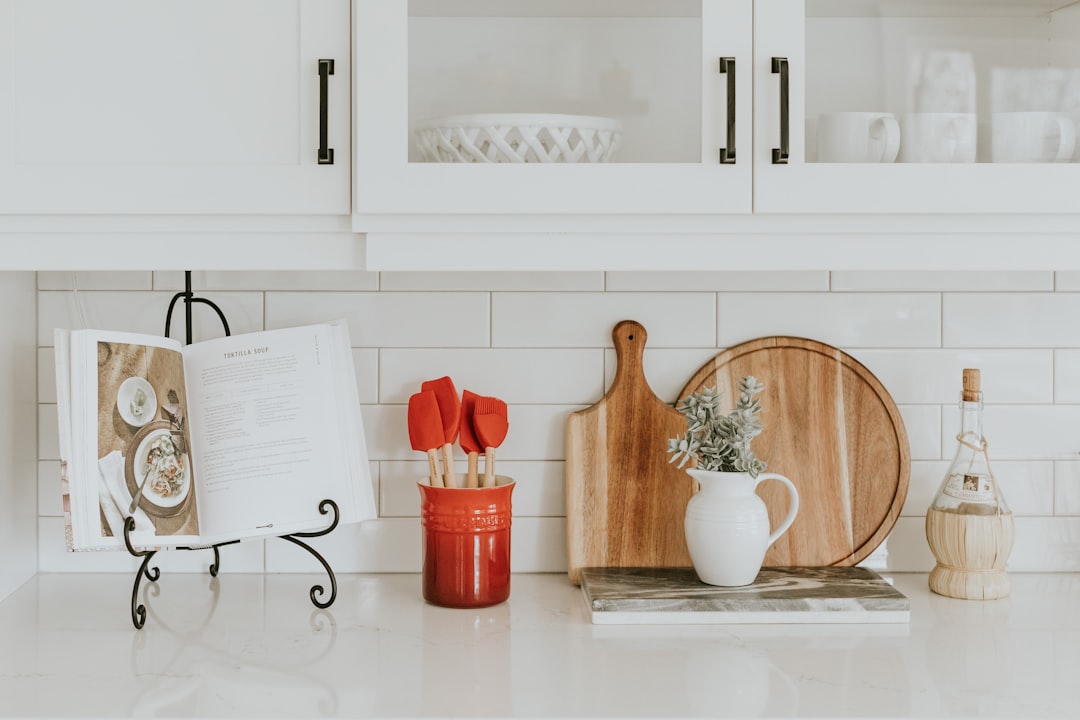
Most beginner cooks don’t fail because they lack talent — they fail because someone sold them a $200 knife set and a spiralizer before they learned to boil an egg. The result is a drawer full of gadgets that feel accusatory every time you open it.
The best kitchen tools for beginners under $50 are the ones that make you want to cook again. They’re forgiving, versatile, and built to last longer than your New Year’s resolution. This list skips the novelty junk and focuses on tools that real home cooks reach for daily.
Leave here with a short, complete list — nothing redundant, nothing you’ll regret.
Quick Picks
- Best overall: Lodge 10.25 Inch Cast Iron Skillet — one pan that does almost everything, forever
- Best for prep work: Fullstar Vegetable Chopper Spiralizer — cuts prep time in half without a learning curve
- Best for salad lovers: OXO Good Grips Large Salad Spinner — dries greens properly so your dressing actually sticks
- Best knife investment: Victorinox Fibrox Pro 8-Inch Chef’s Knife — the same blade used in culinary schools, under $45
- Best for accuracy: Escali Primo Digital Kitchen Scale — baking without one is guesswork; this fixes it permanently
- Best for roasting: Nordic Ware Natural Aluminum Baker’s Half Sheet — the sheet pan every serious home cook uses
- Best for temperature: Alpha Grillers Instant Read Meat Thermometer — stops you from overcooking forever
Comparison Table
| Product | Best For | Capacity / Size | Key Perk |
|---|---|---|---|
| Lodge Cast Iron Skillet | Searing, frying, baking | 10.25 inches | Lasts decades, oven-safe to 500°F |
| Fullstar Vegetable Chopper | Fast, uniform prep | 4 blades included | Built-in storage container catches scraps |
| OXO Good Grips Salad Spinner | Washing and drying greens | Large (fits a full head of romaine) | Non-slip base, one-handed pump |
| Victorinox Fibrox Pro Chef’s Knife | Everyday cutting tasks | 8 inches | Culinary-school grade, non-slip handle |
| Escali Primo Digital Scale | Baking and portioning | Up to 11 lbs | Consistency no measuring cup can match |
| Nordic Ware Baker’s Half Sheet | Roasting vegetables, sheet dinners | 18 x 13 inches | Even heat, warp-resistant rolled edges |
| Alpha Grillers Thermometer | Meat, bread, candy | — | 3-second read, removes all guesswork |
How We Picked These
Every tool on this list had to clear two bars: it had to cost under $50, and it had to be something a beginner cook would actually use in their first month. Gadgets that only shine in one narrow situation didn’t make the cut. We also weighted durability heavily — cheap tools that need replacing in six months aren’t actually cheap.
The Best Kitchen Tools for Beginners Under $50
Lodge 10.25 Inch Cast Iron Skillet
If you could only buy one thing on this list, it’s this. A cast iron skillet sears, sautés, fries, and bakes — and unlike non-stick pans, it doesn’t start flaking into your eggs after 18 months. The Lodge comes pre-seasoned, which means you can use it the day it arrives without a seasoning ritual.
The 10.25-inch size hits the sweet spot for one to two people — big enough for a full chicken breast, small enough to heat evenly on a standard burner.
Best for: Anyone who wants to stop replacing cheap non-stick pans every year
Pros:
- Works on all cooktops including induction, and oven-safe to 500°F
- Gets better with every use as the seasoning builds — the opposite of every non-stick pan you’ve owned
- Under $30 — one of the best dollar-per-year tools in any kitchen
Cons:
- Heavy at nearly 5 lbs, which makes one-handed maneuvering awkward until you’re used to it
- Needs hand-washing and a light coat of oil after drying — runs through the dishwasher once and you’ll strip the seasoning you spent months building
Fullstar Vegetable Chopper Spiralizer
The most underrated time-saver in beginner cooking is uniform cuts. When vegetables are the same size, they cook at the same rate — and that alone fixes a lot of recipes that seem mysteriously inconsistent. The Fullstar gives you four different blade options and catches everything in a built-in container, so you’re not chasing onion pieces across the counter.
It also handles spiralizing for zucchini noodles, which means it earns its drawer space twice.
Best for: Beginners who dread prep work or anyone cooking on weeknights with 30 minutes to spare
Pros:
- Built-in container catches scraps directly, so prep goes straight into the pan with no board-scraping step
- Four blades cover dicing, slicing, spiralizing, and julienning — more range than most knife skills at this stage
- Compact enough to store in a single cabinet without needing a dedicated shelf
Cons:
- The blade housing has tight grooves that trap food — needs a brush, not just a rinse, to clean properly
- Struggles with very dense vegetables like raw sweet potato; you’ll need to par-cook those first
OXO Good Grips Large Salad Spinner
A salad spinner sounds like the definition of unnecessary — until you’ve dressed wet lettuce and wondered why it tastes watery and sad. Drying greens properly is the single step most beginners skip, and it changes the entire texture and flavor of a salad. OXO’s version has a one-handed pump mechanism and a non-slip base that keeps it stable while you spin.
The bowl doubles as a serving or storage vessel, which makes it more than a one-trick appliance.
Best for: People who eat salads regularly and want them to actually taste good
Pros:
- Non-slip base stays put even on wet countertops — no holding it down while you crank
- Bowl fits a full head of romaine without forcing or tearing the leaves
- Brake button stops the spin instantly so you can check without waiting for it to coast down
Cons:
- Bulky enough that it needs its own cabinet spot — won’t tuck neatly into a crowded shelf
- The pump mechanism collects water and dressing residue around its base and needs occasional disassembly to clean properly
Victorinox Fibrox Pro 8-Inch Chef’s Knife
A 14-piece knife block looks impressive and uses 12 of those blades approximately never. The Victorinox Fibrox Pro is what culinary schools put in students’ hands on day one — an 8-inch blade that handles chopping, slicing, and mincing without the premium price tag of German forged knives. The textured Fibrox handle is designed for wet hands and extended use, and the blade holds an edge longer than most knives at three times the price.
Best for: Beginners who want to actually learn knife skills instead of fighting bad tools
Pros:
- Single blade covers 90% of daily cutting tasks — add a $10 paring knife and you’ve replaced a 14-piece block entirely
- Culinary-school grade: the same knife used in professional training kitchens, available to home cooks under $45
- Textured Fibrox handle stays secure even with wet or greasy hands, which matters more than it sounds during actual cooking
Cons:
- Needs occasional sharpening; a honing steel before each use extends the time between full sharpens significantly
- Takes a few sessions to get comfortable with the knuckle-clearing grip technique — worth a 10-minute YouTube watch before your first use
Escali Primo Digital Kitchen Scale
Measuring cups lie — or more accurately, people use them inconsistently, which is why the same recipe produces different results every time. The Escali Primo fixes this with a straightforward tare function, readings in grams and ounces, and an 11-pound capacity that covers everything from a pinch of spice to a full bag of flour. It’s also how every professional recipe is written, which means a whole category of cookbooks suddenly becomes accessible once you have one.
Best for: Anyone who wants to improve at baking or stop second-guessing recipe proportions
Pros:
- More accurate than volume measurements — a packed cup of flour can be 50% heavier than a sifted one, and your cookies will taste the difference
- Tare function resets to zero between ingredients so you weigh directly into the bowl, which means fewer dishes every time
- Slim enough to slide into a drawer flat when not in use; doesn’t claim permanent counter space
Cons:
- Takes a few uses to build the habit of reaching for it before the measuring cups — the adjustment period is real but short
- Battery-powered; most models ship with batteries included and a set lasts a year or more with regular use
Nordic Ware Natural Aluminum Commercial Baker’s Half Sheet
Sheet pan dinners exist because a half-sheet pan is genuinely one of the most useful things in a kitchen. The Nordic Ware is the one professional bakers actually use — natural aluminum heats evenly, the rolled edges prevent warping under high heat, and the 18 x 13-inch surface fits an entire meal in one go. Roast vegetables, bake cookies, char salmon — all on one surface that cleans in under a minute.
Best for: Anyone who wants to make a full dinner with minimal cleanup
Pros:
- Fits an entire meal — protein plus vegetables with room between them so things actually roast instead of steam
- Rolled edges reinforce the rim so the pan doesn’t warp and tilt mid-bake the way thin pans do
- Natural aluminum conducts heat faster and more evenly than darker, cheaper sheet pans — your cookies brown uniformly instead of burning at the edges
Cons:
- Discolors and stains over time with high heat, especially with oil — purely cosmetic, doesn’t affect performance, but it will look lived-in fast
- Not nonstick; line with parchment or foil for anything sticky unless you enjoy scrubbing
Alpha Grillers Instant Read Meat Thermometer
Overcooked chicken and underdone pork are beginner problems that a good thermometer solves permanently. The Alpha Grillers reads in about three seconds, the probe folds flat for drawer storage, and it’s fully waterproof — no babying it at the sink. It covers the full range from frozen to searing heat, which means it works for bread, candy, and frying oil as your skills expand.
Best for: Beginner cooks who are nervous about meat doneness (which is most of them)
Pros:
- Three-second read gives you an actual number instead of “poke it and see if the juices run clear” — stops the overcooking-from-caution spiral most beginners get stuck in
- Waterproof construction survives hand-washing without the sensor fogging or corroding over time
- Foldable probe locks closed for safe drawer storage and pops open one-handed at the grill
Cons:
- Battery-powered; needs a CR2032 replacement every year or so with daily use — an easy swap, just worth knowing upfront
- Probe length is practical for most cuts but can feel short when checking the center of a very thick roast
What to Skip
- Garlic presses. A knife minces garlic faster and requires no cleanup. The press sounds more convenient until you’re scraping garlic pulp out of the grid at 7pm.
- Single-purpose gadgets. Avocado slicers, strawberry hullers, egg separators — these solve problems that a knife or your hands already solve. Save the drawer space.
- Cheap non-stick pans. The $15 non-stick pan will need replacing in a year and leaves you with nothing to show for the money. Spend it on the cast iron instead.
Frequently Asked Questions
What kitchen tools should a beginner buy first? Start with a good knife, a cast iron skillet, and a half-sheet pan. Those three cover sautéing, searing, roasting, and most basic cooking techniques. Add a thermometer and a scale once you’re cooking regularly.
Are expensive kitchen tools worth it for beginners? Usually not — the biggest skill gains in beginner cooking come from technique, not equipment. The exception is knives, where a bad blade actively makes you worse. Most of the other tools on this list are under $30.
What’s the most used kitchen tool for everyday cooking? A chef’s knife, consistently. It touches almost every meal. If you only upgrade one thing in your kitchen, make it a knife with a proper edge.
The Bottom Line
The best kitchen tools for beginners under $50 are the ones that remove friction, not add it. A cast iron skillet, a reliable knife, a scale, and a sheet pan will take you further than any 50-piece gadget haul. Buy fewer things, use them often, and you’ll cook better food — without a drawer full of regrets.