Best Herb Stripper for Fresh Herbs Under $15 in 2026: Top Picks for Every Kitchen
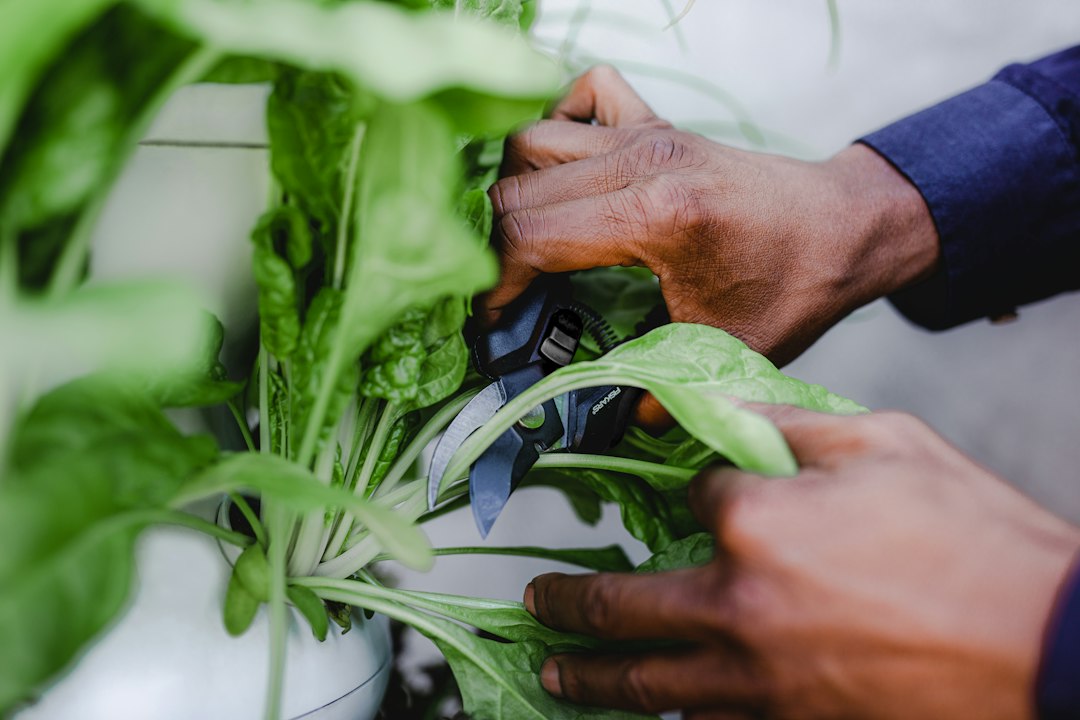 Photo by Ona Creative on Unsplash
If you’ve ever stood at your cutting board picking rosemary needles off a stem one by one, you know the pain. It’s slow, your fingers smell like a spice cabinet for hours, and half the leaves end up on the floor instead of in your dish. An herb stripper fixes this in about three seconds flat. And the best part? You don’t need to spend a fortune to get one that works great.
This guide breaks down everything you need to find the best herb stripper for fresh herbs under $15, including specific products you can buy right now.
Why Every Home Cook Needs an Herb Stripper
Herb strippers look like a weird little gadget until you actually use one. Then you wonder how you cooked without it.
Time-saving benefits for meal prep. Stripping a sprig of thyme by hand takes maybe 30 seconds if you’re careful. With a stripper, it’s instant. Pull the stem through one of the holes and the leaves fall right off. If you cook with fresh herbs regularly, that adds up to real time saved every single week.
Reduces waste and bruising of delicate herbs. Basil and cilantro bruise if you handle them too much. Your fingers have oils and heat that start breaking down delicate leaves the second you touch them. A stripper pulls leaves cleanly without the squeezing and pinching that turns soft herbs into mush.
More efficient than picking leaves by hand. Hand-picking means touching every single leaf individually. A stripper processes an entire stem in one motion. For woody herbs like rosemary and thyme, this is a massive upgrade since those stems are stiff and annoying to work with fingers alone.
Cost-effectiveness compared to pre-stripped herbs. Grocery stores sell pre-stripped herb leaves in little plastic clamshells for way more than whole bunches. Buying whole herbs and stripping them yourself saves money every time, and a cheap stripping tool pays for itself after a few uses.
What to Look for in an Herb Stripper Under $15
Not every stripper is built the same, even at a low price point. Here’s what actually matters.
Different hole sizes for various herb types. Basil leaves are big. Thyme and rosemary leaves are tiny and attached to thin stems. A tool with multiple hole sizes handles both without crushing anything. Single-hole designs work fine too, but only if the hole size matches the herbs you cook with most.
Ergonomic handle design for comfort. You’re pulling stems through small holes, which means some resistance on your hand. A handle that’s comfortable to grip matters more than people expect, especially if you’re stripping a big batch for meal prep.
Durable materials that won’t rust or degrade. Herb stems carry moisture. Cheap metal can start rusting after a few runs through the dishwasher. Stainless steel resists this. Silicone and food-grade plastic resist it too, as long as the plastic isn’t flimsy.
Easy cleaning and maintenance features. Small bits of leaf and stem love to hide in the holes. Look for a design with smooth edges and no tight crevices where gunk gets stuck permanently.
Multi-functional capabilities. Some strippers double as measuring tools, bottle openers, or garlic peelers. Not essential, but a nice bonus when you’re already keeping tool clutter to a minimum in a small kitchen.
Top Herb Stripper Options Under $15
Here are six solid picks, each with a different strength depending on what you need.
1. Stainless Steel Herb Stripper With Multiple Holes
This style is the classic choice and for good reason. A stainless steel single-hole herb stripper gives you a durable, rust-resistant tool that handles daily use without complaint. Stainless steel also means dishwasher safe, which matters if you’re not trying to add more handwashing to your routine. It’s a no-nonsense pick for people who want something that just works.
2. Ergonomic Silicone-Handled Version
If comfort is your priority, go with an ergonomic silicone-handled herb stripper. The silicone grip stays comfortable even when your hands are wet or oily from cooking, and it won’t slip around on the counter. Great option if you’re stripping large batches of herbs for sauces, pestos, or dried herb storage.
3. Ceramic or Non-Stick Coated Option
A multi-hole ceramic herb stripper is a smart pick if you cook with a mix of herb types throughout the week. The multiple hole sizes mean you’re not swapping tools between basil and rosemary. Ceramic coatings also resist staining, which standard metal can struggle with after repeated use with herbs like turmeric leaves or dark greens.
For something with a similar coated finish but a slightly different build, a non-stick coated herb stripper is worth a look too. The non-stick surface makes cleanup faster since herb residue doesn’t cling to the holes the way it can on bare metal.
4. Double-Sided Design for Versatility
This is probably the most practical pick on the list if you only want to buy one tool. A double-sided herb stripper with varying hole sizes gives you flexibility between delicate herbs like cilantro and tougher stems like rosemary, all in a single compact tool. No need to own three different strippers cluttering your drawer.
5. Compact Travel-Friendly Stripper
If you cook outside your main kitchen a lot, whether that’s a vacation rental, a food truck setup, or just a tiny apartment kitchen with no drawer space, a compact portable herb stripper is worth having. It’s small enough to toss in a utensil bag and still gets the job done without sacrificing function for size.
6. Heavy-Duty Commercial-Style Option
Home cooks who batch cook or meal prep for the week should consider a heavy-duty commercial herb stripper. Built tougher than standard home versions, it’s designed to handle repeated, heavy use without the holes wearing out or the material fatiguing over time. If you’re stripping herbs daily, this is the one that’ll last.
Best Uses and Techniques for Maximum Efficiency
Owning the right tool is half the battle. Using it correctly is the other half.
Stripping basil, thyme, rosemary, and oregano. For soft herbs like basil, use the larger hole and pull gently so you don’t bruise the leaves. For thyme and rosemary, hold the stem at the top and pull the stripper down toward the base in one smooth motion. Oregano sits somewhere in the middle, so a medium hole size usually works best.
Proper technique to avoid damaging stems. Always pull in the direction the leaves grow, which is typically top to bottom. Pulling the wrong direction or stopping halfway through a pull can tear leaves or leave bits of stem mixed in with your leaves.
Storage tips for stripped herbs. Once stripped, store soft herbs like basil and cilantro in a lightly damp paper towel inside a container in the fridge. Woody herb leaves like rosemary and thyme last longer and can go straight into an airtight container, or even the freezer if you’re planning ahead. If you’re organizing a fridge full of prepped ingredients, a solid set of silicone food storage containers makes this a lot easier to manage.
Preparation methods for different cooking applications. Stripped basil is perfect for pesto or a quick chiffonade. Stripped thyme and rosemary work great for infused oils, roasted vegetables, or dry rubs. Stripped oregano dries easily for long-term storage.
Batch processing for meal prep. If you’re prepping for the week, strip all your herbs at once rather than one dish at a time. Lay out your herbs, go stem by stem, and store everything separately by type. This is a lot faster than stopping mid-recipe to strip herbs you need right then.
Comparing Herb Strippers vs. Other Methods
Hand-picking leaves manually. Hand-picking works fine for a few leaves of garnish, but it’s genuinely painful for anything beyond that. Your fingers get sticky, stems snap in the wrong places, and tiny leaves like thyme are almost impossible to pick cleanly by hand.
Using kitchen scissors or knives. Scissors can chop leaves off stems quickly, but you lose precision and often cut through the stem along with the leaves. A sharp knife works similarly, but the risk of nicking your fingers goes up when you’re working with small, slippery herb stems. If your knife skills need backup for other prep tasks too, a good vegetable chopper can speed up the rest of your prep work once your herbs are stripped and ready.
Dedicated herb tools vs. multi-purpose gadgets. Multi-purpose gadgets that claim to strip herbs, peel garlic, and open bottles sound convenient, but they usually do none of those things particularly well. A dedicated stripper, even a cheap one, almost always outperforms a multi-tool at the actual stripping job.
Time and waste comparisons. On average, stripping a bunch of herbs by hand takes 3 to 5 times longer than using a dedicated tool. Waste is higher too, since torn leaves and crushed stems often get tossed rather than used.
Cost analysis for frequent herb users. If you cook with fresh herbs a few times a week, the best herb stripper for fresh herbs under $15 pays for itself fast just in saved prep time and reduced waste. Compare that to the price of pre-stripped herb packs at the store, and the math isn’t close.
How to Maintain Your Herb Stripper for Longevity
Daily cleaning best practices. Rinse your stripper immediately after use. Leaf residue dries fast and gets harder to clean the longer it sits. A quick scrub with warm, soapy water and a small brush gets into the holes better than a sponge.
Preventing rust and corrosion. Even stainless steel can develop surface rust if left wet for long periods. Dry your stripper fully before putting it away, especially if it’s not labeled dishwasher safe.
Storage recommendations. Store your stripper in a dry utensil drawer, not a damp area near the sink. If it came with a cover or sleeve, use it to protect the holes from bending or warping against other tools.
When to replace your tool. If the holes start to warp, crack, or lose their shape, it’s time for a new one. A stripper that no longer grips the stem cleanly will just tear leaves instead of pulling them off.
Warranty and durability expectations. Budget strippers under $15 usually don’t come with long warranties, but a well-made stainless steel or ceramic option should last years with basic care. If yours fails within weeks, that’s a sign of poor manufacturing, not normal wear.
FAQ
What size holes do I need for different herbs? Small holes work for thyme and rosemary. Medium holes handle oregano, sage, and thicker herb stems. Large holes are better for basil, mint, and other broad-leaf herbs. A multi-hole or double-sided tool covers all your bases without needing separate tools.
Can you use an herb stripper on frozen herbs? Not really. Frozen herbs become brittle and tend to shatter or crumble instead of pulling cleanly through the holes. Strip herbs fresh before freezing, not after.
Are expensive herb strippers worth the investment compared to budget options? Not usually. The core function, pulling a stem through a hole, doesn’t improve much with a higher price tag. The best herb stripper for fresh herbs under $15 will do the job just as well as a $30 version in most home kitchens. Spend extra only if you want commercial-grade durability for heavy daily use.
How do I remove dried herb residue stuck in the holes? Soak the tool in warm soapy water for a few minutes, then use a toothpick or small brush to clear out any stuck bits. A toothbrush works great for reaching into tight hole edges.
Will an herb stripper work on woody stems like rosemary branches? Yes, that’s actually where strippers shine the most. Rosemary stems are stiff and annoying to strip by hand, but pulling them through the right size hole removes the needles cleanly in one motion without the finger fatigue.
Once you’ve got your herbs stripped and prepped, the rest of your cooking setup matters too. If you’re weighing out ingredients for a recipe that calls for exact herb and spice ratios, a reliable kitchen scale rounds out your prep station nicely. And if herb-infused dishes involve any precise cook times, pairing your prep with a kitchen timer that’s actually accurate keeps everything running smoothly from prep to plate.