Best Wooden Spoon Sets That Won't Scratch Under $18 in 2026
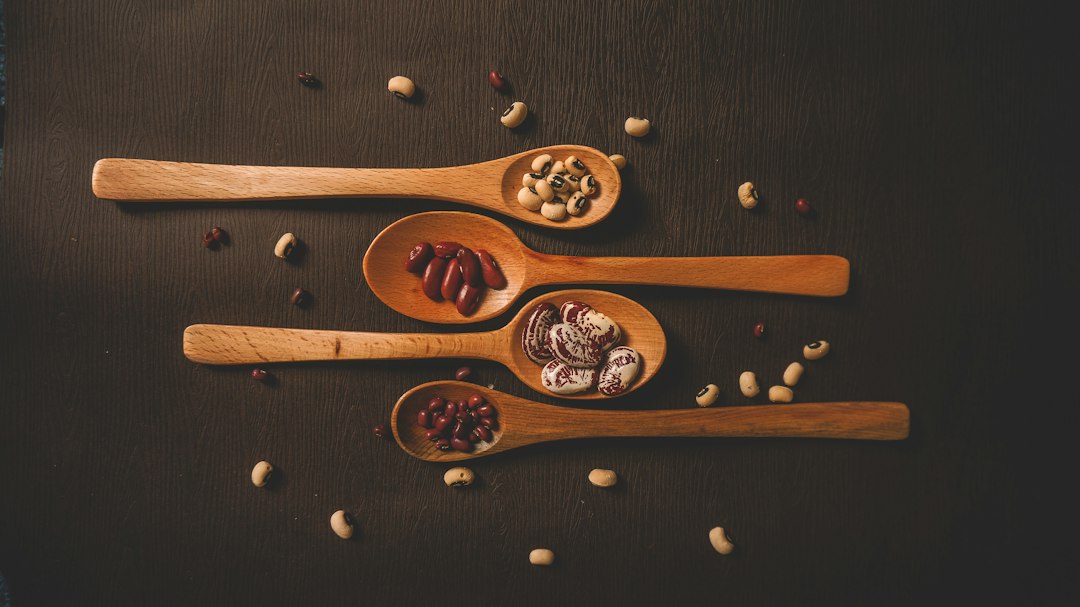 Photo by Thanh Soledas on Unsplash
If you’ve ever dragged a metal spoon across your non-stick pan and heard that awful scraping sound, you already know why this matters. That sound is your pan’s coating dying a slow death. The fix is cheap, simple, and sitting in kitchen drawers everywhere: wooden spoons.
But not all wooden spoons are equal. Some splinter. Some warp after two dishwasher cycles. Some have handles that feel like holding a broom. Finding the best wooden spoon set that won’t scratch under $18 takes a little know-how, and that’s exactly what this guide covers.
Why Wooden Spoons Are Essential for Non-Stick Cookware
Non-stick pans are coated with a thin layer that scratches if you look at it wrong. Metal utensils are the enemy. Even “non-stick safe” metal tools can leave micro-scratches over time, and those scratches are where your coating starts to flake into your food.
Wooden spoons solve this because wood is soft enough to glide over non-stick surfaces without digging in, but rigid enough to actually stir, flip, and scrape food effectively. They don’t conduct heat, so the handle stays cool even when you leave it resting in a hot pot of sauce. And unlike plastic utensils, wood doesn’t melt, warp, or leach anything into your food when it touches a hot pan.
Here’s the thing people get wrong: they assume cheap wooden spoons are automatically low quality. That’s not true. A well-made wooden spoon under $18 for a whole set can outperform a single $20 “premium” spoon, because the manufacturing cost of wood tools is already low. You’re not paying for rare materials, you’re paying for proper sanding, sealing, and shape design. Brands that nail those basics can sell affordably and still deliver a spoon that lasts years.
What actually makes a spoon “non-scratch” safe comes down to three things: smooth, splinter-free wood (meaning it was sanded properly before sealing), rounded edges instead of sharp cut lines, and a finish that doesn’t flake off onto your food. If a spoon checks those three boxes, it’s safe for your non-stick cookware regardless of price.
What to Look for in a Quality Wooden Spoon Set Under $18
Wood Type and Durability
Bamboo and acacia are the two most common woods in affordable spoon sets, and for good reason. Bamboo grows fast, which keeps costs down, and it’s naturally resistant to bacteria thanks to its tight grain structure. Acacia is denser and a bit heavier in the hand, which some cooks prefer for stirring thicker batters or sauces. Beechwood shows up in mixed sets too, and it’s known for being extra smooth, which matters a lot if scratch resistance is your top priority.
Avoid anything labeled vaguely as “natural wood” without specifying the type. That’s usually a sign of inconsistent sourcing, which means inconsistent quality between spoons in the same set.
Handle Design and Comfort
A good handle shouldn’t be perfectly round. Slightly flattened or contoured handles give you better grip control, especially when your hands are wet or greasy mid-cook. Look for handles with a comfortable thickness, not too thin where they feel flimsy, not so thick they’re awkward for smaller hands.
Set Size and Variety
Most quality sets under $18 include 4 to 6 pieces: a flat-edge spoon for scraping pan bottoms, a slotted spoon for straining, a solid spoon for stirring, and sometimes a spatula or fork-tipped piece. More shapes mean more use cases covered without buying extra tools.
Heat Resistance
Wood naturally handles stovetop heat better than plastic, but quality still varies. Denser woods like acacia resist warping better under repeated heat exposure. Look for spoons rated for use up to at least 400°F, which covers basically every stovetop cooking scenario you’ll run into.
Budget Breakdown
At the $18 ceiling, you’re generally looking at sets with 4-6 pieces, basic to mid-level finishing, and decent wood quality. Going below $10 often means thinner wood prone to cracking. The sweet spot for value tends to sit between $12 and $18, where you get properly finished wood without paying for unnecessary extras like fancy packaging or matching utensil crocks.
Top Wooden Spoon Sets Under $18 for Every Kitchen
Natural Bamboo Spoon Sets
Bamboo is the budget-friendly MVP of kitchen tools. It’s sustainable, naturally antimicrobial, and lightweight without feeling cheap. A natural bamboo spoon set with storage holder is a smart pick if counter space or drawer clutter is an issue. The holder keeps everything upright and accessible instead of buried under other utensils, and bamboo’s smooth finish means you get that non-scratch safety without a premium price tag.
Acacia Wood Spoon Collections
If you cook a lot of heavier dishes like stews, risottos, or thick sauces, acacia’s extra density gives you more leverage when stirring. An acacia wood multi-piece cooking spoon collection typically includes a wider range of shapes, which makes it a solid all-rounder for people who cook a variety of meals rather than sticking to one style.
Mixed Wood Multi-Piece Sets
Some sets combine bamboo and beechwood specifically to balance lightness with extra smoothness. A bamboo and beechwood mixed material spoon set gives you the best of both: bamboo’s durability for the heavier-use pieces, beechwood’s silky finish for the tools that touch delicate non-stick surfaces most often, like your everyday stirring spoon.
Eco-Friendly Sustainable Options
If sourcing matters to you, certified sustainable sets are worth the small premium within your budget. An eco-certified sustainable wooden spoon kit usually means the wood was harvested from managed forests or rapidly renewable bamboo farms, so you’re not contributing to deforestation just to stir your pasta sauce.
Lightweight Travel-Friendly Spoon Sets
Camping, RV trips, or just a tiny apartment kitchen all benefit from compact tools. A lightweight bamboo travel spoon set packs easily, weighs almost nothing, and still gives you the scratch protection your cookware needs even when you’re cooking somewhere other than your main kitchen.
For cooks who prioritize heat performance above all else, a heat-resistant hardwood spoon assortment is built from denser wood specifically chosen to resist warping near high stovetop heat, making it a good match for anyone who sears, fries, or simmers at higher temps regularly. And if hand comfort is your main complaint with older wooden spoons, an ergonomic handle wooden spoon collection solves that with contoured grips designed for longer stirring sessions without hand fatigue.
Whichever direction you go, each of these hits the mark as the best wooden spoon set that won’t scratch under $18, just with slightly different strengths depending on how you cook.
How to Care for Wooden Spoons to Maximize Lifespan
Hand-Washing Properly
Wash wooden spoons by hand with warm water and mild dish soap right after use. Don’t let them soak. Standing water is wood’s worst enemy because it seeps into the grain and causes swelling, which leads to cracking as it dries unevenly.
Storage That Prevents Warping
Store spoons upright in a crock or holder rather than flat in a drawer where moisture can get trapped against the wood. Good airflow after washing matters too. Lay spoons on a drying rack instead of stacking them wet.
Conditioning and Maintenance
Every month or so, rub a small amount of food-grade mineral oil into the wood with a clean cloth. This replenishes natural oils lost through washing and keeps the wood from drying out and cracking. Let it sit for a few hours, then wipe off the excess.
When to Replace Worn Spoons
If you notice deep cracks, persistent dark staining that won’t scrub out, or a rough texture that catches on food, it’s time to retire the spoon. Surface discoloration from sauces is normal and not a safety issue, but structural damage means bacteria has somewhere to hide.
Common Mistakes That Damage Wooden Spoons
Dishwashers are the biggest culprit. The heat and prolonged water exposure strip natural oils and cause warping fast. Leaving spoons resting in hot liquid for extended periods is another one, since it accelerates swelling. And skipping the oil conditioning step entirely is why so many people think wooden spoons “just don’t last,” when really it’s a maintenance issue, not a wood quality issue.
Wooden Spoons vs. Silicone and Metal Alternatives
Silicone utensils are scratch-safe too, and they’re more heat resistant in some cases, but they can retain odors from strong-smelling foods like curry or garlic more than wood does, surprisingly, because silicone is porous at a microscopic level despite feeling smooth. Metal utensils are the most durable long-term but are completely off-limits for non-stick cookware unless specifically coated for it, and even then, caution is warranted.
Wood sits in a nice middle ground: naturally antimicrobial, gentle on cookware, doesn’t retain heat in the handle, and has a tactile feel a lot of home cooks just prefer over plastic or silicone. The tradeoff is wood needs more hands-on care than silicone, which can go in the dishwasher without much worry. But for anyone trying to protect an investment in good non-stick pans, wood remains the safer daily-use choice.
If you’re also outfitting your kitchen with other budget-friendly essentials, it’s worth checking out this guide on the best whisk set for mixing and beating under $15, since whisks and wooden spoons tend to get used in the same recipes side by side.
Where to Buy the Best Deals on Wooden Spoon Sets
Online retailers like Amazon consistently offer the widest selection and the easiest price comparison across brands. You can read verified buyer reviews, check actual dimensions, and often find multi-piece sets bundled at better per-spoon value than buying individually in stores.
In-store shopping has one advantage online can’t replicate: you can physically inspect the wood grain and feel the handle weight before buying. If you’re picky about ergonomics, a quick trip to a home goods store before ordering online can help you narrow down what grip style you prefer.
Seasonal sales tend to cluster around major shopping events in November and again in early spring when retailers refresh kitchen inventory. Watching for these windows can shave a few extra dollars off already-affordable sets.
Buying in bulk, meaning picking a set with more pieces rather than buying single spoons separately, almost always works out cheaper per spoon. A 6-piece set under $18 beats buying three individual spoons at $7 each nearly every time.
Brand reputation matters less with wooden spoons than with electronics, but checking review counts and photos from actual buyers still helps you avoid sets with inconsistent sanding or weak sealing. If multiple reviewers mention splinters or cracking within weeks, skip it regardless of price.
FAQ
Are wooden spoons really safe for non-stick cookware?
Yes. Properly sanded and sealed wooden spoons are soft enough to never scratch non-stick coatings, unlike metal utensils which can create micro-scratches that worsen over time.
How long do quality wooden spoons last?
With proper hand-washing and occasional oil conditioning, a good wooden spoon set can last 3 to 5 years or longer. Neglect, especially dishwasher use, can cut that lifespan down to under a year.
What’s the difference between bamboo and regular wooden spoons?
Bamboo is technically a grass, not a wood, but it behaves similarly in kitchen tools. It’s lighter, grows faster making it more sustainable, and naturally resists bacteria due to its tight fiber structure. Hardwoods like acacia and beech are denser and slightly heavier, which some cooks prefer for stirring leverage.
Can you put wooden spoon sets in the dishwasher?
Technically some are labeled dishwasher-safe, but it’s not recommended. The heat and prolonged moisture exposure dry out the wood’s natural oils and accelerate warping and cracking. Hand-washing adds years to a spoon’s life.
Do wooden spoons absorb odors and stains?
Mild staining from things like tomato sauce or turmeric is common and purely cosmetic. Odor absorption is minimal if you wash spoons promptly after use. Letting food sit on the wood for hours before washing is what causes both staining and odor retention to worsen.
Protecting your non-stick cookware doesn’t require an expensive overhaul of your kitchen tools. The best wooden spoon set that won’t scratch under $18 gets the job done just as well as pricier options, as long as you pick quality wood, give it basic care, and retire it when it’s actually worn out rather than at the first sign of a stain.