What to Look for When Buying a Kitchen Knife Under $50
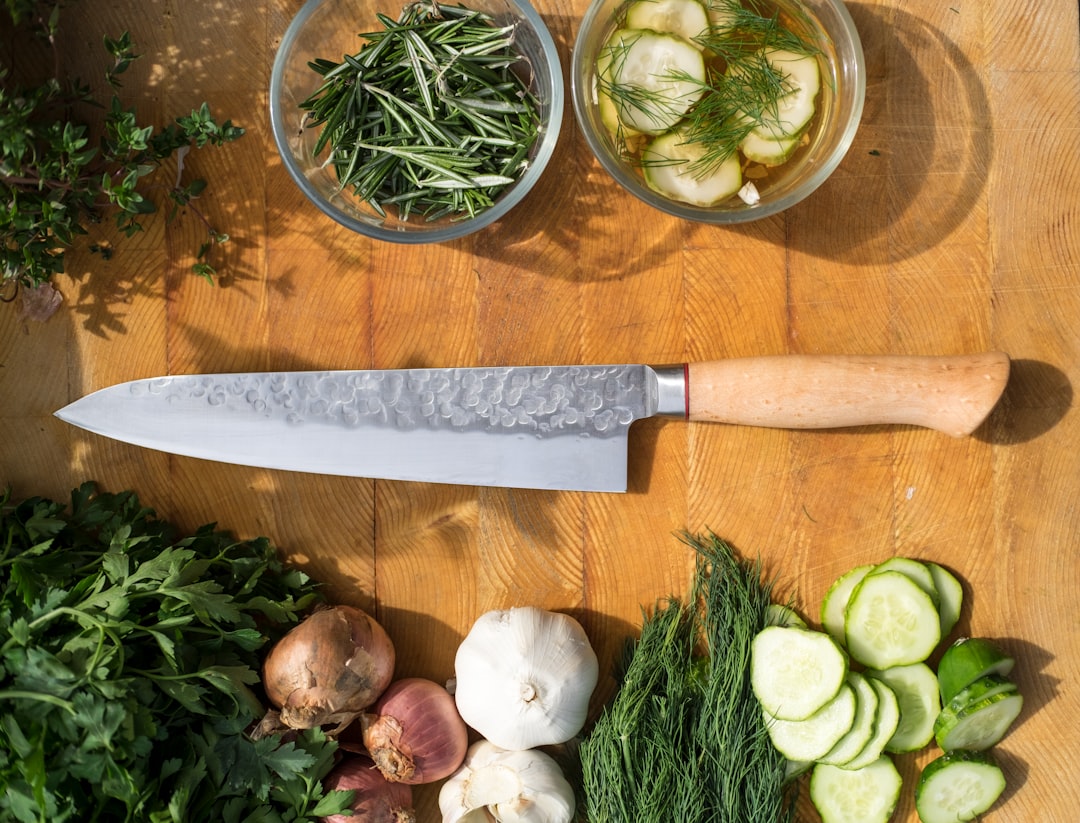 Photo by Kevin Doran on Unsplash
You don’t need to spend $150 on a chef’s knife to get one that actually works. Plenty of home cooks assume a low price tag means a dull blade that won’t hold an edge, but that’s outdated thinking. Some of the best-selling knives in professional kitchens, the ones line cooks actually buy with their own money, cost less than $50.
The catch is that the $50-and-under market is flooded with knives that look nearly identical in photos but perform completely differently in your hand. A knife that feels great at the store can turn into a slippery, edge-losing disappointment three weeks later. Knowing what actually matters, versus what’s just marketing, saves you from buying the same “good enough” knife twice.
This guide breaks down exactly what to check before you buy, so you spend your $50 on something that earns a permanent spot in your knife block.
Blade Steel: The Single Biggest Factor
The steel determines how sharp the knife gets, how long it stays sharp, and how much work you’ll put into maintaining it. Under $50, you’re mostly choosing between a few common types.
High-carbon stainless steel is the sweet spot for budget knives. Brands like Victorinox, Mercer, and Zwilling’s entry-level lines use it because it takes a sharp edge easily and resists rust without needing constant babysitting. Look for this term specifically on the packaging or product description.
Stamped steel blades are cut from a sheet of steel and are thinner and lighter than forged blades. This isn’t automatically bad. Stamped knives are easier to sharpen and often just as sharp out of the box as pricier forged knives. The Victorinox Fibrox Pro is stamped and outperforms plenty of forged knives twice its price.
Forged steel blades are hammered into shape from a single billet, making them heavier and giving them a thicker bolster (the area between blade and handle). At this price point, forged construction is rare and when you find it, quality can be inconsistent. Don’t pay extra just for the word “forged” without checking reviews first.
Avoid knives that don’t specify their steel type at all. If a listing just says “stainless steel” with no other detail, that’s usually a red flag for low-grade steel that dulls fast.
Blade Shape and Length
Under $50, an 8-inch chef’s knife is the most versatile choice and the one you’ll reach for daily. It handles everything from dicing onions to breaking down a chicken.
If 8 inches feels unwieldy, a 6-inch chef’s knife or a 5-inch utility knife gives you more control for smaller hands or tighter cutting boards. Skip the temptation to buy a knife set with six blades you’ll never use. One good chef’s knife beats five mediocre ones every time.
Check the blade profile too. A curved belly (the front third of the blade) lets you rock the knife back and forth for fast chopping. Straight-edged blades are better for push cuts but slower for mincing herbs or garlic.
Handle Comfort and Grip
You’ll notice a bad handle within the first ten minutes of use, usually as a blister forming between your thumb and index finger. Since you can’t test-hold most online purchases, look for these signs before buying:
- Full bolster or finger guard. This raised section between blade and handle keeps your hand from sliding forward onto the edge.
- Textured or contoured grip. Rubberized handles like Victorinox’s Fibrox material stay grippy even when wet, which matters more than it sounds.
- Weight balance. The knife shouldn’t feel heavy at the tip or the handle. Balanced weight sits right where blade meets handle.
- Handle material. Polypropylene and textured composite handles resist moisture better than smooth wood at this price point, and they won’t crack over time.
If you’re buying in person, hold the knife like you’re actually cutting, not just gripping it like a hammer. Mimic a rocking chop motion right there in the store.
Full Tang vs. Partial Tang
The tang is the metal that extends into the handle. A full tang runs the entire length of the handle and is riveted or bonded in place, giving the knife better balance and durability. A partial tang stops partway, which can make the knife feel front-heavy and less sturdy over years of use.
Most decent knives under $50 use full tang construction now, so this is less of a dealbreaker than it used to be. Still, check the specs or customer photos before buying, especially on off-brand Amazon listings where cheaper partial-tang knives get marketed with misleading photos.
Maintenance: What You’re Signing Up For
Every knife needs sharpening eventually, but some need it more often than others. Softer stainless steel (common in the sub-$30 range) dulls faster but is also easier to sharpen at home with a basic whetstone or pull-through sharpener.
Harder steels hold an edge longer between sharpenings but require more skill or a proper sharpening stone to bring back to life. For most home cooks, a softer high-carbon stainless blade paired with occasional honing on a ceramic rod is the lower-effort choice.
Also factor in dishwasher habits. Even “dishwasher safe” knives degrade faster from the heat and detergent, and edges can chip if they knock against other utensils. Hand washing and drying immediately after use adds years to any blade, budget or not.
Brand Reputation and Warranty
Stick to brands with a long track record in cutlery: Victorinox, Mercer Culinary, Zwilling J.A. Henckels, and Wüsthof all make sub-$50 lines that borrow quality control from their premium products. These aren’t the flashiest knives, but they’re proven.
Check the warranty before buying. Victorinox and Mercer both offer lifetime warranties against manufacturing defects on their budget lines, which tells you they trust the product enough to stand behind it. A knife with no stated warranty, sold by a brand you’ve never heard of, is a bigger gamble than the price tag suggests.
Once you’ve picked the right knife, protecting the edge matters just as much as the initial purchase. A good storage setup keeps blades from dulling against drawer clutter, and pairing your knife with the right cutting board prevents unnecessary edge damage from hard surfaces.
Frequently Asked Questions
Is a $50 chef’s knife actually good enough for daily cooking? Yes, for the vast majority of home cooks. Knives like the Victorinox Fibrox Pro and Mercer Renaissance are used in culinary schools and professional kitchens, not just home kitchens. Price above $50 mostly buys aesthetics, premium steel for edge retention, or hand-forged craftsmanship, not dramatically better everyday performance.
How often should I sharpen a budget kitchen knife? Hone the edge with a ceramic or steel honing rod every few uses to keep it aligned, and do a full sharpening on a whetstone or pull-through sharpener every 2 to 3 months with regular use. Softer stainless steel found in budget knives needs sharpening more often than premium hardened steel, but it’s also faster and easier to sharpen at home.
Should I buy a knife set or a single knife under $50? Buy a single chef’s knife. Sets spread your budget across knives you’ll rarely use, which means the one knife you actually need ends up being lower quality than if you’d bought it alone. Add a paring knife or serrated bread knife later once you know your cooking habits.
The Bottom Line
A great kitchen knife under $50 comes down to three things: the right steel, a comfortable full-tang handle, and a brand that stands behind its product with a real warranty. Skip the flashy knife block sets and put your full budget into one quality 8-inch chef’s knife you’ll actually reach for every day.