How to Keep Herbs Fresh for Two Weeks or Longer
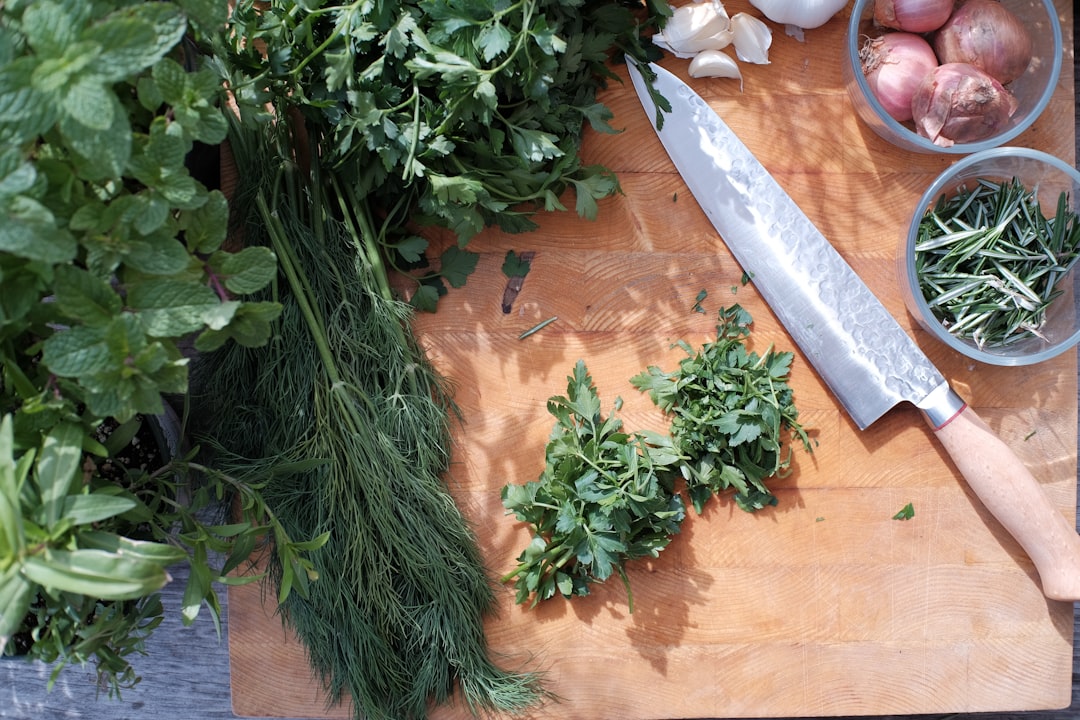 Photo by Kevin Doran on Unsplash
You buy a bunch of cilantro with big plans, use two tablespoons for a recipe, and find the rest a slimy, blackened mess in the crisper drawer four days later. Sound familiar? Fresh herbs are one of the most wasted items in the average kitchen, and it’s almost never because you bought too many. It’s because you stored them wrong.
The good news: with the right method, most herbs will stay crisp, fragrant, and usable for two to three weeks, sometimes longer. It doesn’t take special equipment or a vacuum sealer. It takes about ninety seconds of prep and knowing which herbs need water and which need to stay bone dry.
Why Herbs Wilt and Rot So Fast
Fresh herbs are basically tiny leafy vegetables with a huge surface-area-to-moisture ratio. That’s why they wilt faster than a head of lettuce. Once cut from the plant, they lose water through their leaves constantly, and if there’s excess moisture sitting on them (from washing, condensation, or a damp paper towel), that moisture becomes a breeding ground for mold and bacterial rot.
Two forces are working against your herbs: dehydration and decay. The trick to long-term storage is managing both at once, which sounds contradictory but isn’t. You want to give the stems access to water while keeping the leaves themselves dry and well-ventilated.
Know Your Herb Type First
Herbs fall into two camps, and mixing up their storage methods is the number one reason people fail at this.
Soft-stemmed herbs have tender, easily bruised stems: cilantro, parsley, basil, dill, mint, tarragon. These are the ones that wilt fastest and benefit most from being treated like cut flowers.
Hardy herbs have woody or semi-woody stems: rosemary, thyme, oregano, sage, chives. These are more forgiving and can handle drier storage since they lose moisture more slowly to begin with.
The Two-Week Method for Soft Herbs (Except Basil)
This is the “treat it like a bouquet” method, and it’s the single biggest upgrade you can make to herb storage.
- Trim the stems. Snip about half an inch off the bottom of each stem at an angle, the same way you’d trim flowers. This opens up fresh tissue so the stems can actually absorb water.
- Remove damaged leaves. Pull off anything yellowing, slimy, or bruised. One bad leaf speeds up decay for the whole bunch.
- Stand them in water. Put the herbs stem-down in a jar or glass with about an inch of water, like a small bouquet.
- Loosely cover with a plastic bag. Drape a produce bag or grocery bag over the top of the herbs (not tucked tight) to trap humidity without smothering them.
- Refrigerate. Store in the fridge, not on the counter, with the exception of basil (see below).
- Change the water every 3 to 4 days. Cloudy or discolored water speeds up rot, so swap it out and re-trim the stems if they look mushy.
Done this way, parsley, cilantro, dill, and mint routinely last two to three weeks. Tarragon is a bit more delicate but still benefits enormously from this method compared to a bag in the crisper drawer.
Basil Is the Exception: Keep It on the Counter
Basil hates the cold. Refrigerator temperatures actually cause the leaves to bruise and blacken faster, which is why store-bought basil so often looks sad within days.
Use the same jar-of-water setup, trimmed stems and all, but leave it on the kitchen counter, away from direct sunlight. Skip the plastic bag entirely. Basil likes air circulation, not humidity. Stored this way at room temperature, basil will often last one to two weeks and may even sprout tiny roots, which means it’s actively staying alive rather than slowly dying.
Storing Hardy Herbs (Rosemary, Thyme, Oregano, Sage, Chives)
Hardy herbs don’t need the water-jar treatment. They do best wrapped, not submerged.
- Don’t wash them yet. Wait until you’re ready to use them. Washing introduces moisture that speeds up mold growth in storage.
- Wrap loosely in a slightly damp paper towel. The towel should feel barely moist, not wet.
- Place in a partially open zip-top bag or reusable produce bag. Leave the top slightly unsealed so air can circulate.
- Store in the crisper drawer. Hardy herbs handle the fridge’s cold, dry air much better than soft herbs do.
Handled this way, rosemary and thyme can easily last three weeks, sometimes closer to a month. Chives are the one exception among hardy herbs, they’re more delicate and do better standing in a small jar of water in the fridge, similar to soft herbs, though without the plastic bag cover.
Should You Wash Herbs Before Storing?
No, not until right before you use them. Water sitting on leaves in storage is one of the fastest routes to rot. If your herbs came from the store looking dusty or you’re worried about pesticide residue, do a quick rinse and then dry them thoroughly with a salad spinner or by patting them between clean towels before starting any of the storage methods above. Any leftover surface moisture undoes the benefit of the whole process.
What to Do With Herbs You Won’t Use in Time
If you know two weeks isn’t going to cut it, freezing is your backup plan. Chop the herbs, pack them into an ice cube tray, cover with olive oil or water, and freeze. Pop out a cube directly into a pan when cooking. Hardy herbs like rosemary and thyme also dry well: tie them in small bundles and hang them somewhere dry and out of direct light for one to two weeks until brittle.
For chopping and trimming herbs cleanly without bruising the leaves, a decent pair of kitchen shears makes a real difference over a dull knife. If you’re in the market, our guide to the best kitchen shears for meal prep under $20 covers a few solid, affordable options.
Frequently Asked Questions
Why do my herbs go slimy even in the fridge? Slime is almost always trapped moisture combined with poor air circulation. If herbs are sealed tight in a plastic bag with no airflow, condensation builds up and accelerates decay. Switch to the loosely covered jar method or a partially open bag for hardy herbs.
Can I use a mason jar instead of a plastic bag for soft herbs? Yes, and it actually works great. Trim the stems, stand the herbs in an inch of water inside the jar, then loosely place the jar’s lid on top without sealing it tight, or skip the lid and use a produce bag draped over the top instead. The goal is humidity without a completely airtight seal.
Do fresh herbs lose flavor even if they still look fresh? Yes, slightly. Essential oils that give herbs their aroma and taste do fade over time, even under ideal storage. Herbs stored properly for two weeks will still taste noticeably better than herbs from a wilted bag, but for the strongest flavor, use them within the first week when possible.
The Bottom Line
Most herbs die from moisture mismanagement, not old age. Treat soft herbs like cut flowers, keep hardy herbs lightly wrapped and dry, and leave basil on the counter instead of the fridge. Get the method right for each type and two to three weeks of fresh herbs stops being a fluke and starts being the norm.