Best Meat Thermometer That Reads Fast Under $20 in 2026: Top Budget-Friendly Models Tested
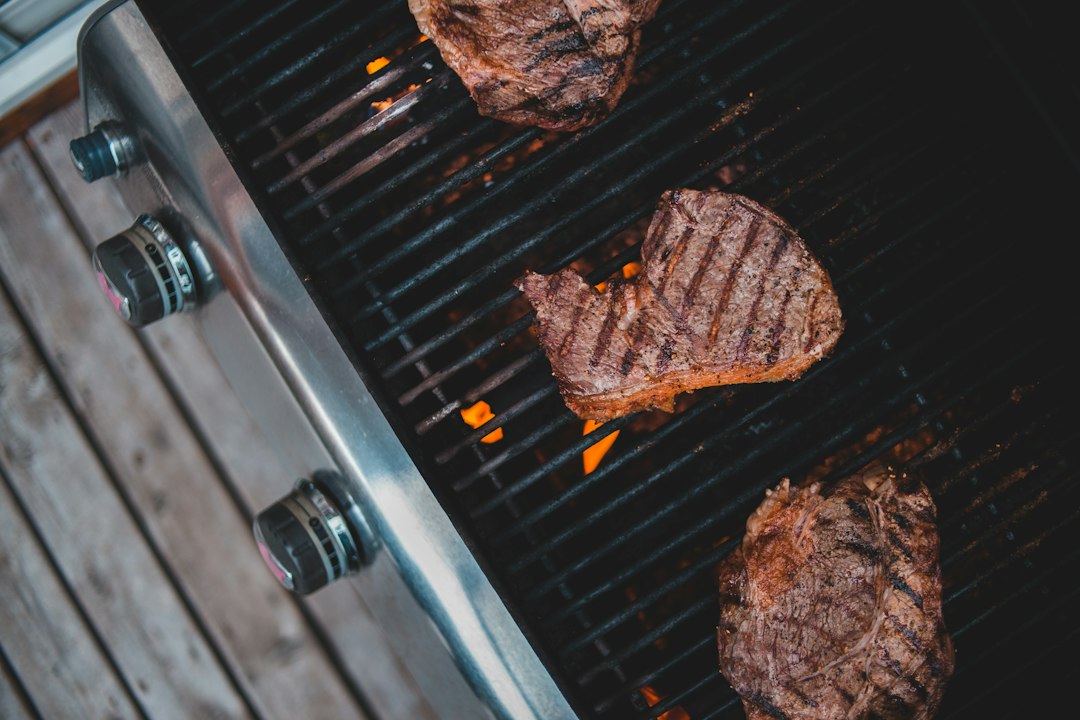 Photo by Erik Mclean on Unsplash
Nobody wants to cut into a chicken breast three times to check if it’s done. Or worse, serve it underdone because you guessed wrong. A good thermometer fixes that problem in two seconds flat, and you don’t need to spend fifty bucks to get one that works.
We tested a stack of budget thermometers this year to find the best meat thermometer that reads fast under $20. Turns out, price and speed aren’t as connected as you’d think. Some of the cheapest options on Amazon beat thermometers twice their price. Here’s what actually works.
Why a Fast-Reading Meat Thermometer Matters
Undercooked chicken sends more people to the ER than almost any other home cooking mistake. Poultry needs to hit 165°F internally. Ground beef needs 160°F. Pork and whole cuts of beef can sit at 145°F with a rest period. These aren’t suggestions, they’re the numbers the USDA uses to kill off salmonella and E. coli.
The problem is guessing. Poking meat and checking color tells you almost nothing. Color changes based on the cut, the cooking method, even the age of the animal. The only way to know for sure is a thermometer stuck into the thickest part of the meat.
This is where instant-read vs traditional thermometers matters. Old-school dial thermometers that you leave in the oven the whole cook time are fine, but they’re slow to respond and often inaccurate by several degrees. Instant-read digital models give you a number in 2 to 5 seconds. That speed difference isn’t just convenience. It means less time with the oven door open, less heat loss, and less time for bacteria to multiply on a counter.
Time savings add up fast when you’re juggling multiple dishes. Checking a turkey, a side of vegetables, and a pan sauce all at once means you need a thermometer that doesn’t make you stand there waiting. A fast read means you check, close the oven, and move on.
Key Features to Look for in Budget Meat Thermometers
Not every cheap thermometer is created equal. Here’s what separates the good ones from the junk drawer fillers.
Response time and accuracy standards. Look for anything claiming 2-5 second readings. Accuracy should be within 1-2°F of actual temperature. Cheaper models sometimes drift by 4-5 degrees, which matters when you’re trying to hit 165°F exactly.
Display types. Digital displays are easier to read at a glance, especially with a backlight for dark kitchens or outdoor grilling at night. Analog dials don’t need batteries and never die on you mid-cook, but they’re harder to read precisely and slower to respond.
Temperature range. Most home cooks need coverage from about 32°F to 450°F. That covers everything from candy making to deep frying to roasting. Check the range before buying, some budget models cap out lower than you’d expect.
Durability and waterproofing. You’re going to wash this thing, drop it, and probably leave it in a drawer with other utensils banging into it. Waterproof models survive dishwasher mishaps and outdoor grilling in the rain. Look for an IP65 or higher rating if you can find it listed.
Calibration options. The good ones let you recalibrate using the ice water method (32°F) or boiling water method (212°F at sea level). This matters more over time as sensors drift slightly with use.
Best Instant-Read Digital Meat Thermometers Under $20
Digital thermometers read faster because of how they measure heat. Most use a thermocouple or thermistor sensor that converts temperature into an electrical signal almost instantly. Analog dials rely on a metal coil expanding, which takes longer and is less precise.
For pure speed, an instant-read digital meat thermometer with backlit display is hard to beat in this price range. The backlight alone makes it worth it if you grill after dark or check roasts in a dim oven light. Most models in this category read within 3 seconds and land within 1°F of lab-accurate results.
If you want something sleek and easy to store in a drawer, a pen-style instant-read thermometer folds flat and takes up almost no space. The probe tucks away so you’re not stabbing yourself reaching for it. These are usually the fastest readers in the budget category because the probe tip is thin enough to penetrate meat quickly without disturbing the surrounding tissue.
For anyone doing stovetop work, candy, or deep frying alongside meat, a waterproof digital meat thermometer with probe handles splashes and spills without shorting out. This matters more than people think. A lot of cheap digital thermometers die within months because moisture gets into the housing.
If you’re smoking or grilling and want to monitor without hovering over the grill, a wireless Bluetooth meat thermometer under $20 sends readings to your phone. The catch: these are typically leave-in probes, not instant-read, so they’re better for long smokes than quick checks. Still, finding one under $20 with decent range is a genuine budget win.
For people cooking multiple proteins at once, like a roast and a side of sausages, a dual-probe digital meat thermometer lets you track two temps simultaneously without pulling the oven door open twice. This is one of the better upgrades you can get while staying under budget.
Across all these digital options, the speed comparison is pretty consistent. Pen-style and basic instant-read models with simple thermocouple sensors tend to be the fastest, often beating pricier thermistor-based models by a full second or two. Accuracy differences are usually negligible once you’re talking about sub-$20 digital models from reputable sellers.
Best Analog Meat Thermometers Under $20
Analog isn’t dead, it just serves a different purpose. A traditional analog dial meat thermometer works well for leave-in cooking, like a whole turkey or a big roast where you’re not pulling it every two minutes to check.
The pros: no batteries, simple mechanism, and they tend to survive drops and rough handling better than digital models with screens. The cons: slower response time, usually 15-20 seconds to settle on a reading, and the dial face can be hard to read precisely, especially with older eyes or bad lighting.
Best use cases for analog thermometers are long cooks where you insert it at the start and let it ride through the whole process. Think Thanksgiving turkey, a pork shoulder, or a prime rib roast. You’re not relying on speed here, you’re relying on a thermometer that stays put and gives you a general range without fuss.
If you’re comparing analog vs digital for weeknight cooking, digital wins almost every time because of speed. But if you want a backup that never needs batteries, keeping one analog dial thermometer in the drawer isn’t a bad idea.
Tips for Getting Accurate Readings Every Time
Even the best meat thermometer that reads fast under $20 gives you bad information if you use it wrong. Here’s how to avoid that.
Placement matters more than people realize. Always insert the probe into the thickest part of the meat, away from bone, fat pockets, and the pan or grill surface. Bone conducts heat differently than muscle and will throw off your reading. For thin cuts like chicken breasts or pork chops, insert from the side rather than the top to get a true center reading.
For whole poultry, check the thickest part of the thigh, not the breast. The thigh takes longer to cook and is the real test of doneness. For burgers and ground meat patties, insert from the side since they’re often too thin to get an accurate read from the top.
Cleaning between uses isn’t optional. Wipe the probe with hot soapy water or an alcohol wipe after every use, especially when moving between different types of raw meat. Cross-contamination from a dirty probe defeats the entire purpose of checking the temperature in the first place.
Storage recommendations. Keep folding probes closed when not in use to protect the tip. Store separate thermometers in a drawer organizer rather than loose with knives and other utensils that can damage the sensor tip or scratch the display. If you’re reorganizing your kitchen drawers anyway, pairing a thermometer with good silicone food storage containers keeps your cooked meat fresh after you’ve checked it’s done.
Calibration keeps things honest over time. The ice water method is easiest: fill a glass with ice, add cold water, stir, and let it sit for a couple minutes. Insert the probe without touching the glass sides or bottom. It should read 32°F. If it’s off, most digital models have a small calibration screw or button to adjust. Do this every few months, especially if you’ve dropped the thermometer or it’s been sitting in a hot car.
Budget Shopping Hacks: Maximize Your Under $20 Thermometer Purchase
Finding the best meat thermometer that reads fast under $20 in 2026 comes down to knowing where to look and what red flags to avoid.
Where to find deals. Amazon remains the best spot for budget kitchen tools because competition keeps prices honest and reviews weed out the junk fast. Watch for bundle deals where a thermometer comes packaged with other small kitchen tools, sometimes the per-item cost drops below buying separately. Seasonal sales around grilling season (May-July) and the holidays (November-December) tend to have the deepest discounts on thermometers specifically.
What to avoid. Skip anything with vague temperature range claims or no stated accuracy rating. If a listing doesn’t mention response time at all, assume it’s slow. Avoid thermometers with reviews mentioning drift or inconsistent readings after a few weeks of use, that’s usually a sign of a cheap sensor that won’t hold calibration.
Also skip anything that requires you to hold a button down the entire time to get a reading unless it’s specifically marketed as a leave-in probe. That’s usually a workaround for a battery that drains too fast, which means you’ll be buying batteries constantly.
When to splurge vs when budget works fine. If you’re a casual cook who grills a few times a month and roasts a chicken on Sundays, a budget thermometer under $20 does everything you need. Where it makes sense to spend more is if you’re smoking meat regularly over long periods, where a more expensive wireless probe with better range and battery life saves you from constantly checking a weak Bluetooth connection.
For most people, though, the gap between a $15 instant-read thermometer and a $60 one is marginal. You’re paying for brand name and extra features like app integration, not meaningfully better temperature accuracy.
If you’re setting up a grilling station and want everything in one place, a meat thermometer with magnetic backing sticks right to your grill hood or fridge, so you’re never digging through a drawer mid-cook. Small feature, but it saves real time when your hands are covered in marinade.
If you’re building out your kitchen setup this year, a reliable thermometer pairs well with an accurate kitchen scale for baking and portions, especially if you’re getting serious about portion control or recipe precision beyond just meat doneness.
FAQ: Common Questions About Fast Meat Thermometers
What’s the fastest meat thermometer you can buy under $20? Pen-style instant-read models and basic digital thermometers with thermocouple sensors are typically the fastest, often reading within 2-3 seconds. Brand matters less than the sensor type, so check product descriptions for response time claims before buying.
Are cheap meat thermometers accurate? Yes, most budget digital thermometers under $20 are accurate within 1-2°F when properly calibrated. The sensor technology hasn’t changed much even in pricier models, you’re often paying extra for display quality, app connectivity, or brand recognition rather than better accuracy.
How do I know if my meat thermometer needs calibrating? Run the ice water test. Fill a glass with ice and water, stir, and insert the probe without touching the sides. It should read exactly 32°F within a minute. If it’s off by more than 2 degrees, recalibrate using the thermometer’s adjustment feature or replace it if there’s no calibration option.
Can I leave a digital instant-read thermometer in the oven while cooking? No, most instant-read models aren’t rated for continuous oven heat and will get damaged. Those are meant for quick spot checks. If you want to monitor temperature throughout the cook, use a leave-in probe thermometer or a wireless model designed for that purpose instead.
What temperature should chicken, beef, and pork reach for food safety? Chicken and all poultry need to hit 165°F internally. Ground beef should reach 160°F. Whole cuts of beef and pork can be pulled at 145°F followed by a 3-minute rest. Fish should reach 145°F as well. Always check the thickest part of the cut for an accurate reading.
Is analog or digital better for grilling? Digital wins for grilling because of speed. You want quick checks without holding the grill lid open longer than necessary, since every few seconds of open lid time drops your grill temperature and extends cooking time. Analog works fine for slow smokes where you’re not checking constantly.
Do I need a waterproof thermometer? If you’re grilling outdoors, washing the probe frequently, or just prone to kitchen spills, yes. Waterproof models last significantly longer than non-waterproof ones because moisture is the main reason cheap digital thermometers fail early.