How to Organize a Small Kitchen on a Tight Budget
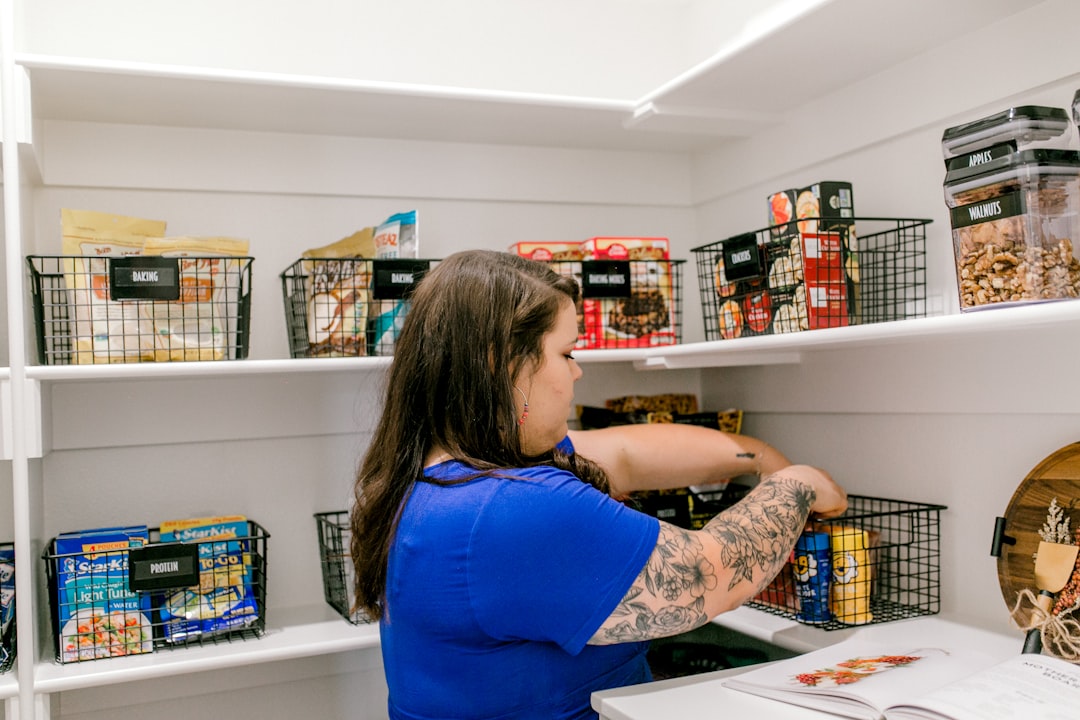 Photo by Cabri Caldwell on Unsplash
You open a cabinet looking for the lid to your saucepan, and three other lids fall out first. Your counter has become a landing pad for mail, keys, and that one appliance you use twice a year. This isn’t a “you need a bigger kitchen” problem. It’s a “your kitchen isn’t organized for how you actually cook” problem, and fixing it costs a lot less than you think.
Most small-kitchen advice assumes you’re ready to gut the cabinets or hire a contractor. This guide doesn’t. Everything here costs under $30 per fix, and most of it costs nothing but 20 minutes and a willingness to throw things out.
Start by Emptying One Zone at a Time
Don’t pull everything out of every cabinet on a Saturday morning. You’ll end up with a kitchen full of piles and no energy left to put anything back. Instead, pick one zone: the drawer under the stove, the cabinet under the sink, the pantry shelf. Empty just that.
As you empty it, sort into three piles: keep, donate, trash. Be honest about the keep pile. If you haven’t used the panini press since 2023, it’s not earning its shelf space. Small kitchens punish hoarding harder than big ones, because every inch of storage is doing double or triple duty.
Work through one zone per day. A full small kitchen usually has 8 to 12 zones (under-sink, pantry shelves, upper cabinets, drawers, fridge, counter, etc.). At one zone a day, you’re done in under two weeks without losing a weekend to it.
Use Vertical Space Before You Buy Anything New
Small kitchens waste the most space above eye level and below the sink, both places people forget to look up or down. Before spending a dime, check what you already own that could go vertical:
- Stack cabinets go higher than you think. Add a second shelf inside tall cabinets using tension rods or a $12 stackable shelf riser. This instantly doubles storage for plates, bowls, or canned goods.
- Use the inside of cabinet doors. Adhesive hooks or a thin over-door rack (usually $8 to $15) can hold measuring cups, lids, or cutting boards that were taking up shelf space.
- Mount a magnetic strip on the wall for knives instead of keeping them in a block. A $10 strip frees up an entire drawer.
- Hang what you can. Command hooks under upper cabinets hold mugs, oven mitts, or a small utensil crock.
None of this requires drilling into walls or committing to a layout. It’s all removable if you rent.
Fix the Cabinet Under the Sink First
This is usually the worst-organized spot in a small kitchen, and also the cheapest to fix. A $15 to $25 stackable under-sink organizer (the kind with adjustable tiers) turns a jumbled pile of cleaning bottles into something you can actually see. Pair it with a tension rod mounted low to hang spray bottles by their necks, which frees up the floor of the cabinet for taller items.
If plumbing takes up the middle of the space, don’t fight it. Buy two small bins instead of one big one and slot them on either side of the pipe. Trying to force one large organizer into a space with a pipe running through the middle just means it won’t sit flat, or it’ll block the cabinet door from closing all the way. A lazy Susan on the side without plumbing is another easy win: it turns “reach in blind and knock everything over” into “spin and grab.”
Give the Counter a Landing Zone
Remember the mail, keys, and stray appliance from the start of this guide? That pile happens because there’s no designated spot for it, so it defaults to whatever surface is closest to the door. Pick a small tray or shallow basket, put it in that exact spot, and make it the only place those items are allowed to live. It sounds too simple to work, but a landing zone removes the decision-making that lets clutter pile up in the first place.
The same logic applies to the appliance you use twice a year. If it doesn’t earn counter space every day, it doesn’t get counter space at all. Move it to the highest cabinet shelf or, if you genuinely don’t have room, donate it. A counter that’s mostly clear also makes the kitchen feel bigger than it is, which matters more in a small space than any organizer you could buy.
Corral the Small Stuff Before It Takes Over a Drawer
Every kitchen has a drawer that’s become a junk drawer by accident: twist ties, spare batteries, three takeout menus, a rubber band ball. In a small kitchen, that drawer is usually one you need for actual cooking tools. A cheap drawer divider or even a repurposed shoebox cut down to size keeps utensils separated so you’re not digging past the same tangle every time you need a spatula.
If your pantry shelf is doing double duty as a spice cabinet, the same fix applies there. Spices scattered across a shelf waste space and make you buy duplicates because you can’t see what you already have. A tiered spice rack organizer fits most cabinet widths and lets you see every jar at a glance instead of pulling half of them out to find cumin.
The Bottom Line
None of this requires a renovation or a weekend you don’t have. Empty one zone at a time, use the vertical space you’re already ignoring, fix the cabinet under the sink first since it’s usually the worst offender, and give loose items a landing zone instead of letting them pile up wherever they land. A small kitchen isn’t a smaller version of a big kitchen’s problems, it just runs out of patience for clutter faster. Fix the storage, and the space works a lot harder than its square footage suggests.